Japan holidays
Japan embraces its past and future with equal energy. Amid a futuristic landscape of skyscrapers, you might stumble upon a meticulously preserved ancient shrine. And after slurping down noodles in a 200-year-old soba shop, you can have dessert at a cafe staffed by robots. Throw in the raw natural beauty of the countryside and beaches, and you’ll understand what makes a holiday to Japan such a one-of-a-kind experience.
Top destinations in Japan
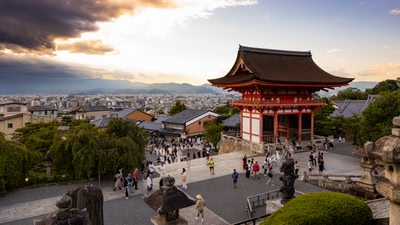
Kyoto
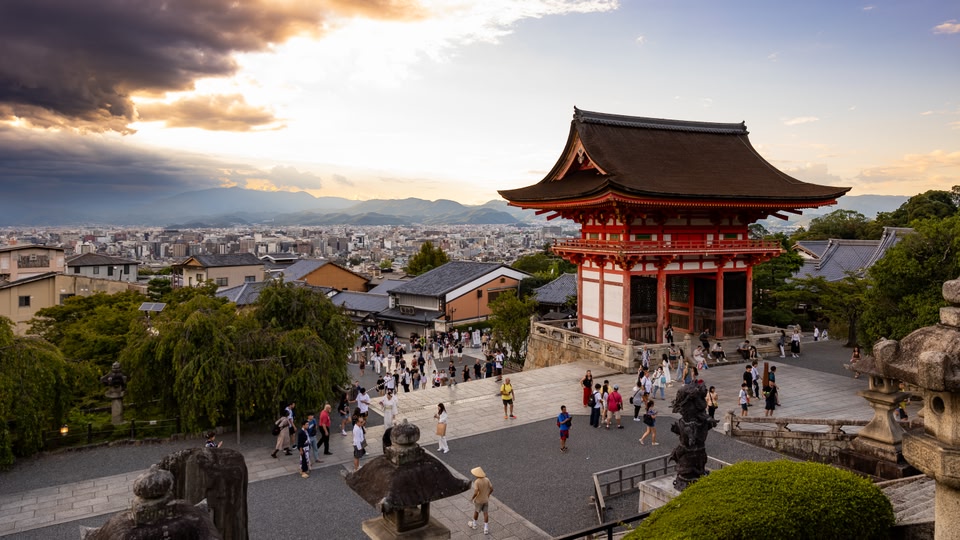
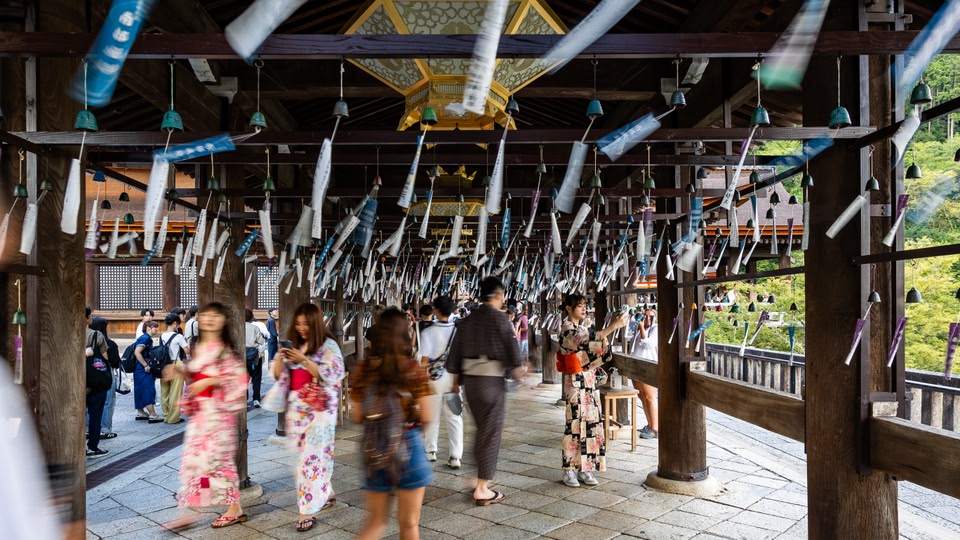
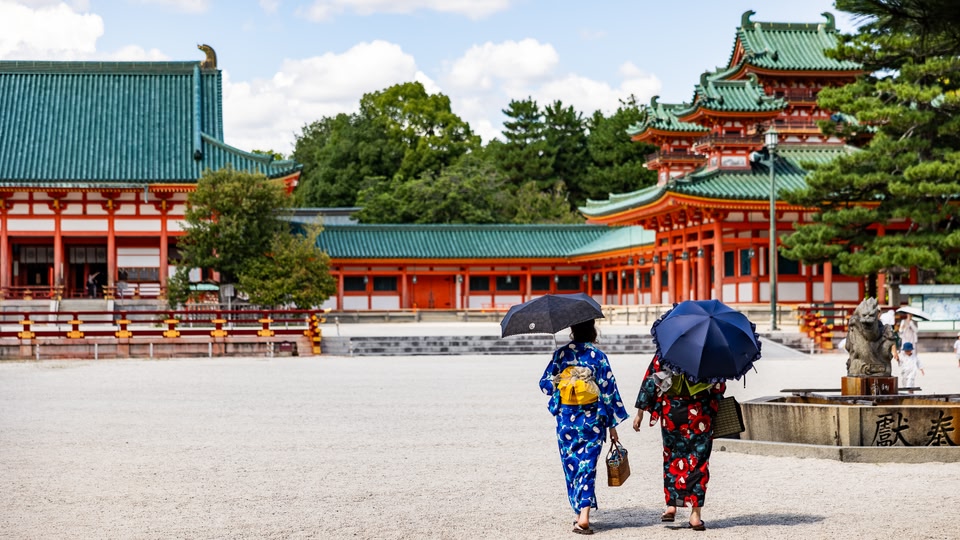
Looking for a slice of old-school Japan? A holiday to Kyoto is just the ticket. A thousand years of tradition is alive and kicking in its temples, alleys and kitchens.
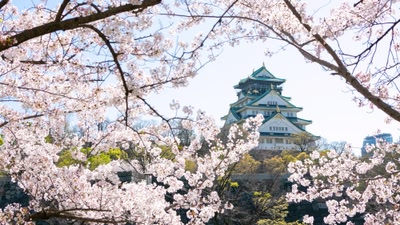
Osaka
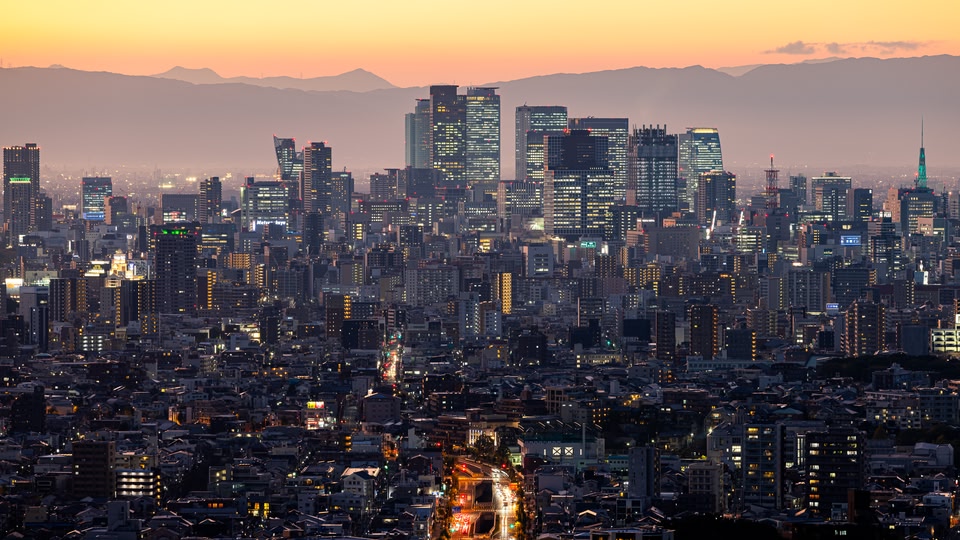
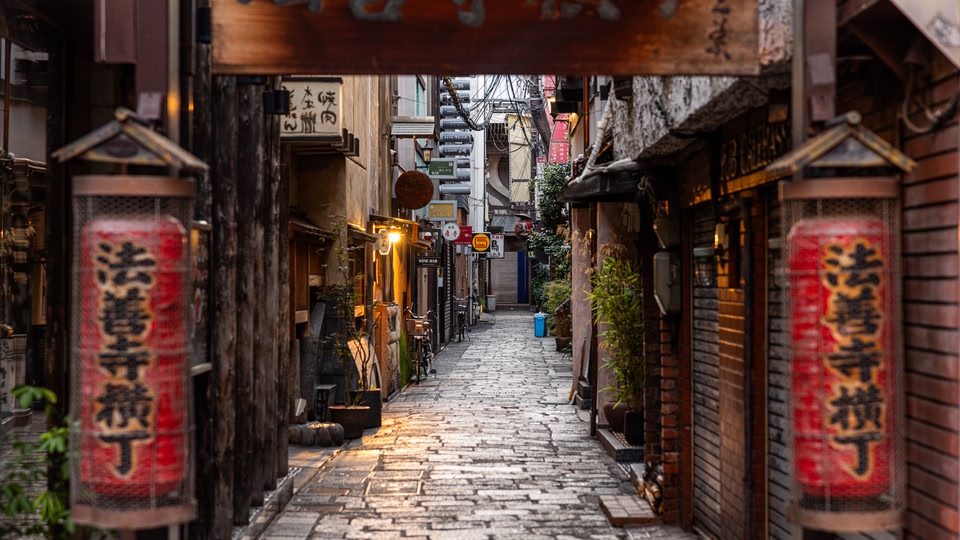
Against a backdrop of neon lights and cartoon billboards, Osaka delivers playful vibes with big-city attractions like edgy museums, huge shopping arcades and celebrated restaurants.
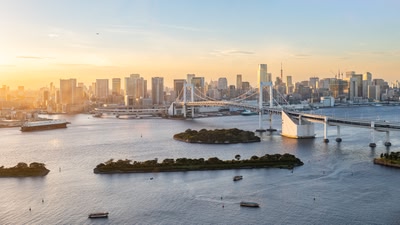
Tokyo
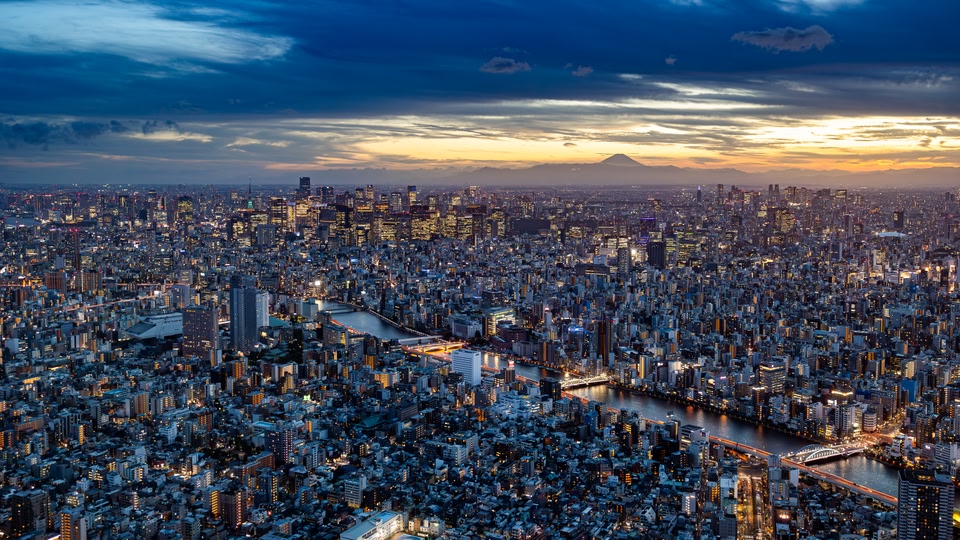
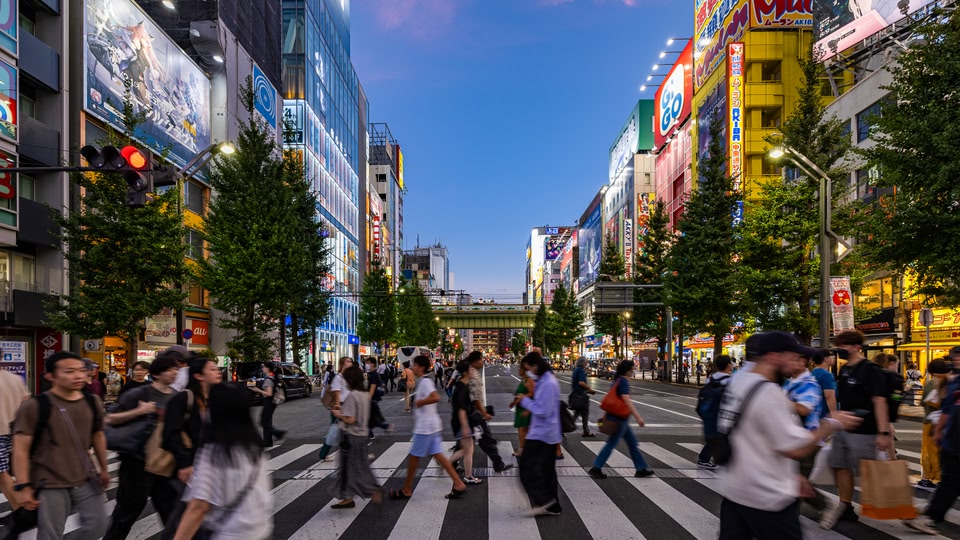
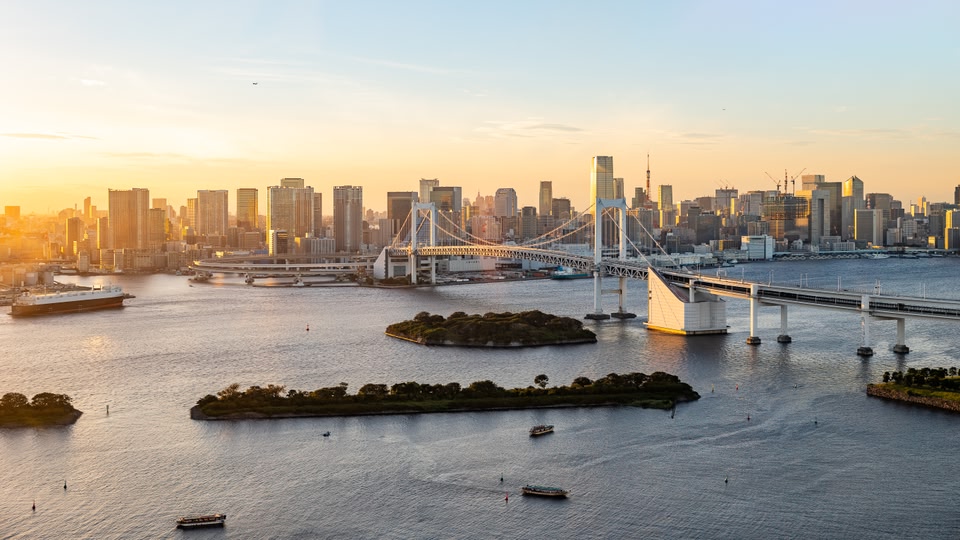
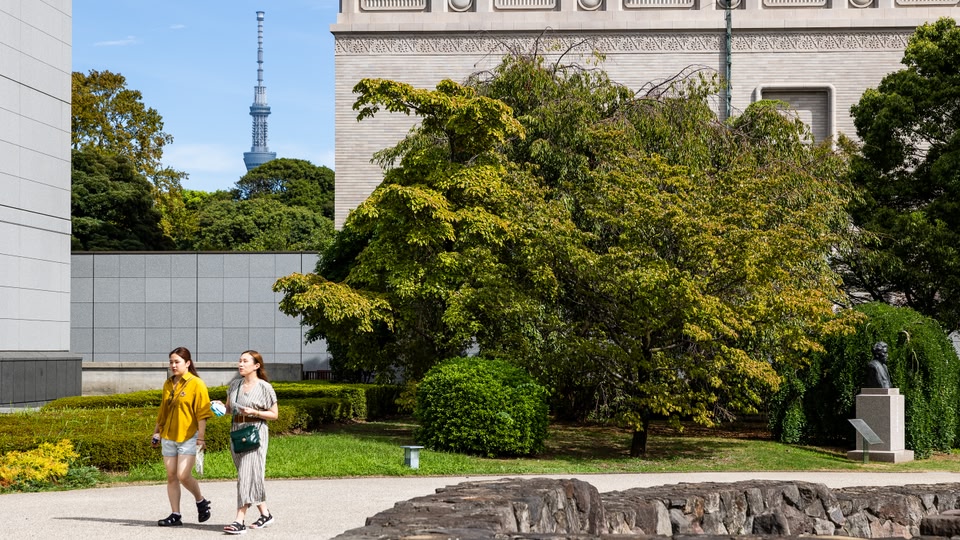
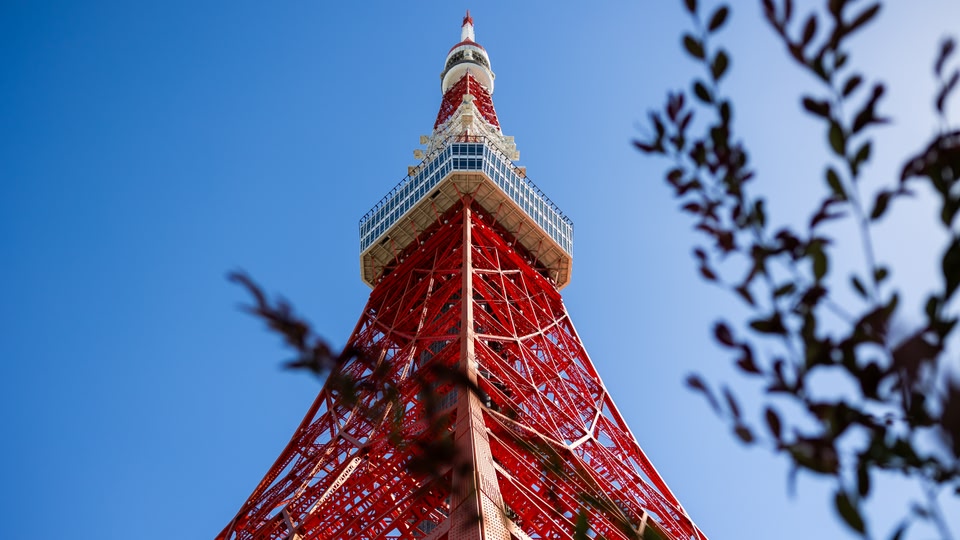
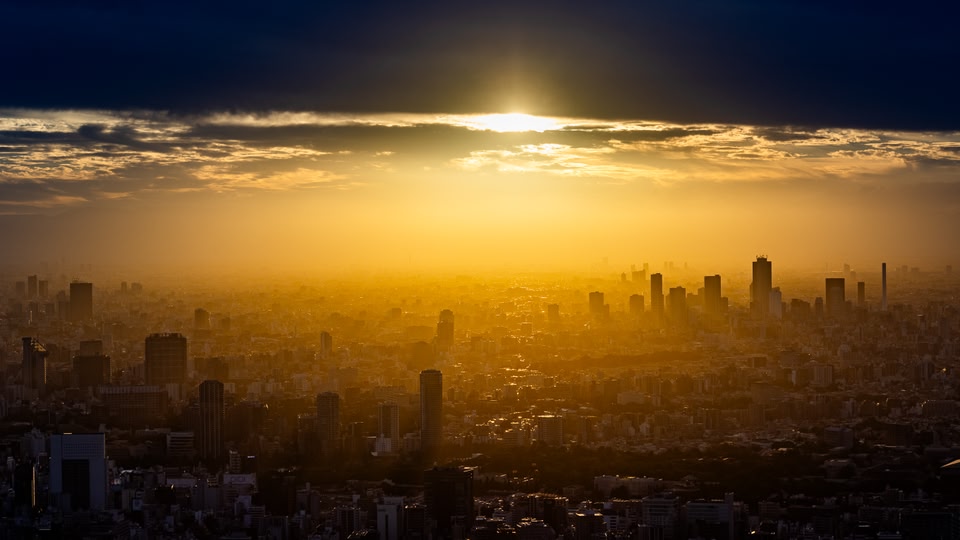
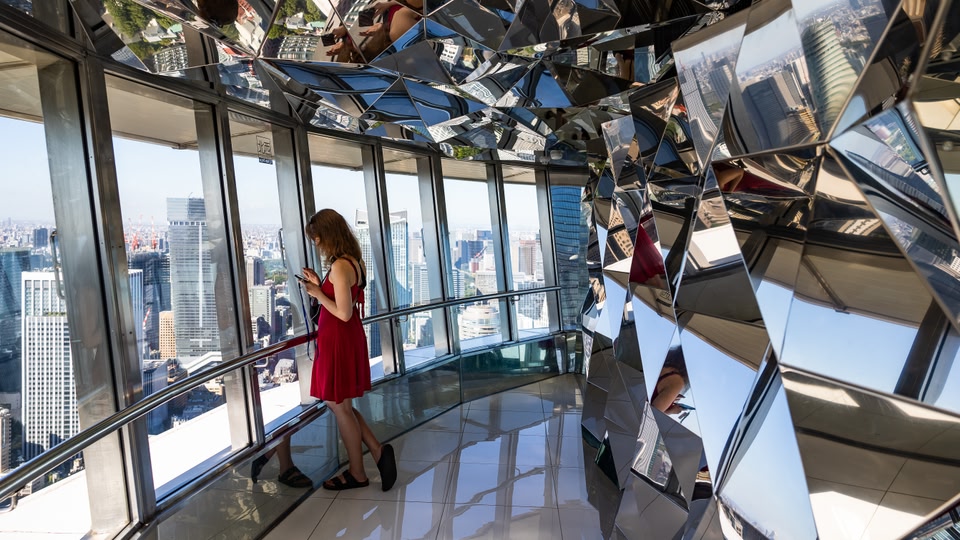
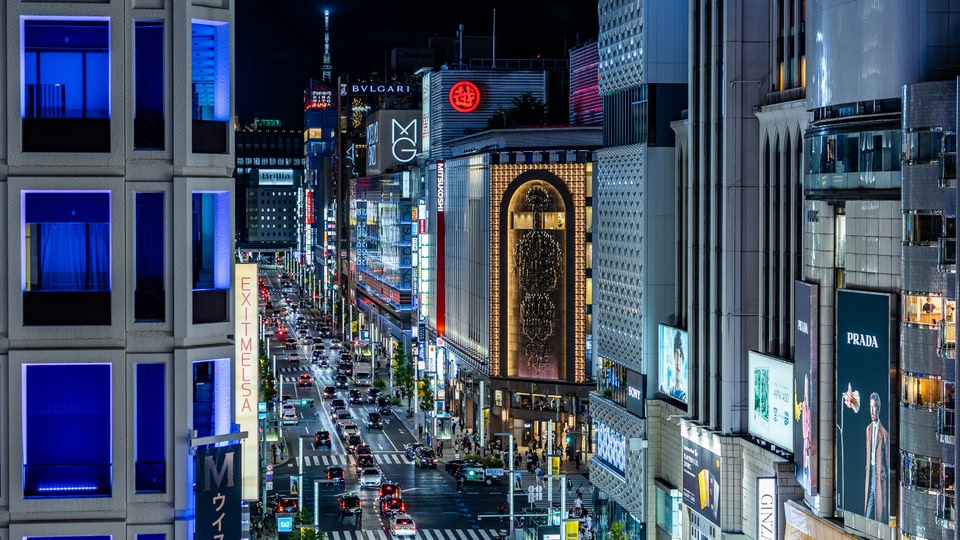
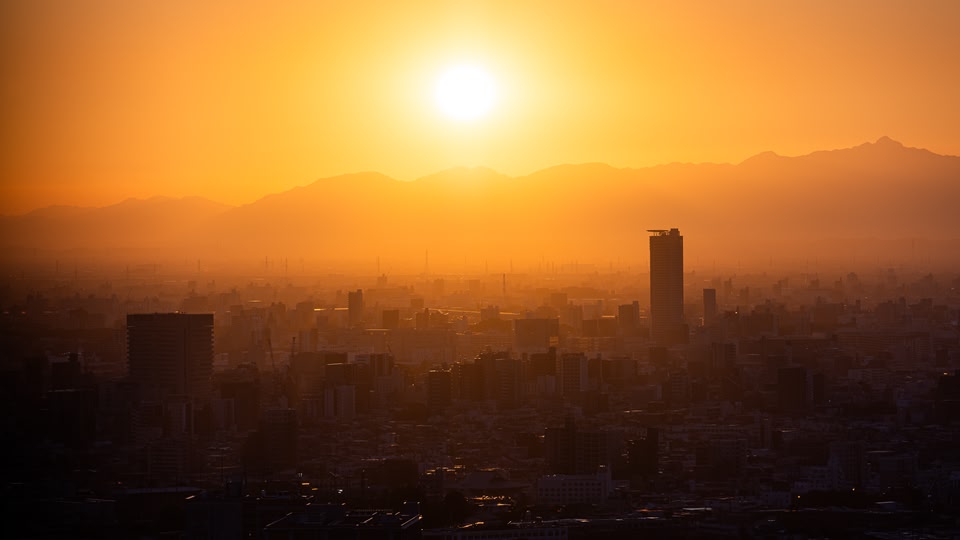
Tokyo weaves together timeless history and space-age tech like no other city in the world. Explore the capital’s ancient temples, inspiring museums and unforgettable urban energy.
Japan: fast facts
Language
Japanese
Currency
Japanese yen (¥)
Time zone
UTC+9 (JST)
Japan holiday highlights
Shopping sprees
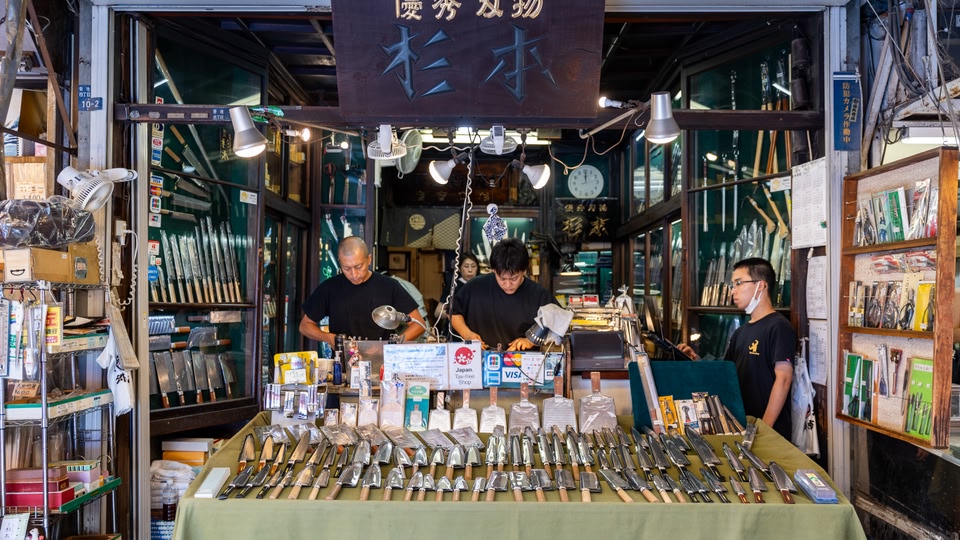
There’s a reason many visitors bring a half-empty suitcase to Japan — its shopping scene is legendary. In Kyoto, seek out pottery, textiles or lacquerware made using generational artisan techniques. In Tokyo and Osaka, hit boutiques for the next fashion trends. And don’t miss record stores for rare vinyl and the food halls of major department stores for beautifully packaged Japanese sweets.
Temples and shrines
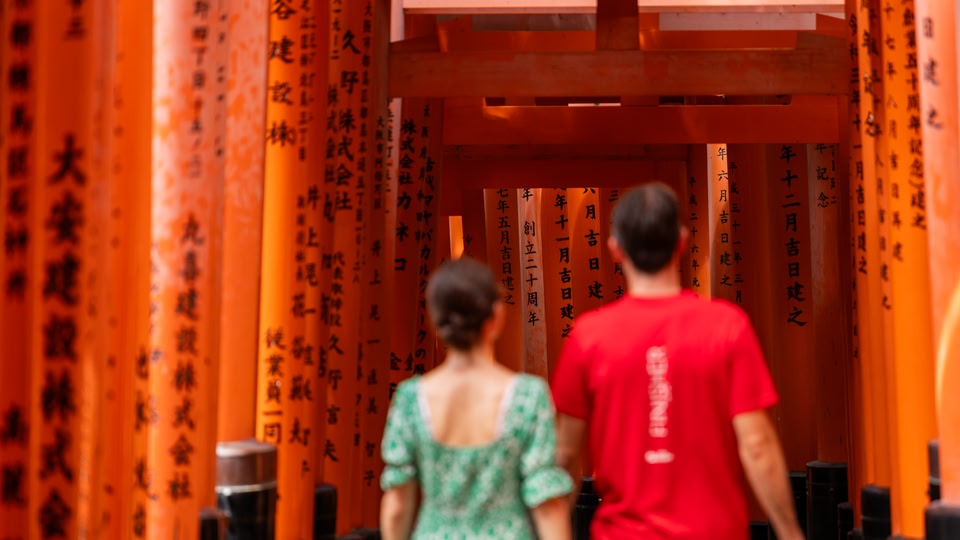
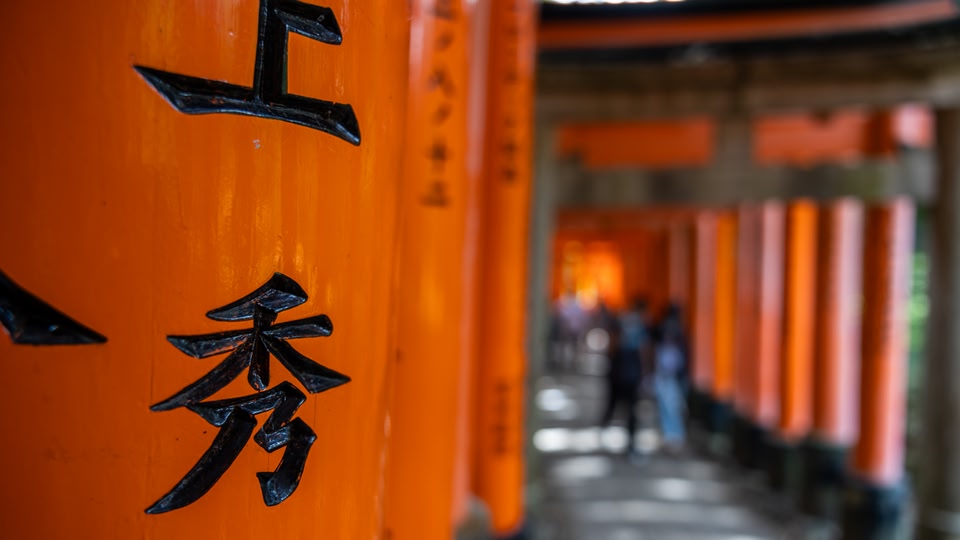
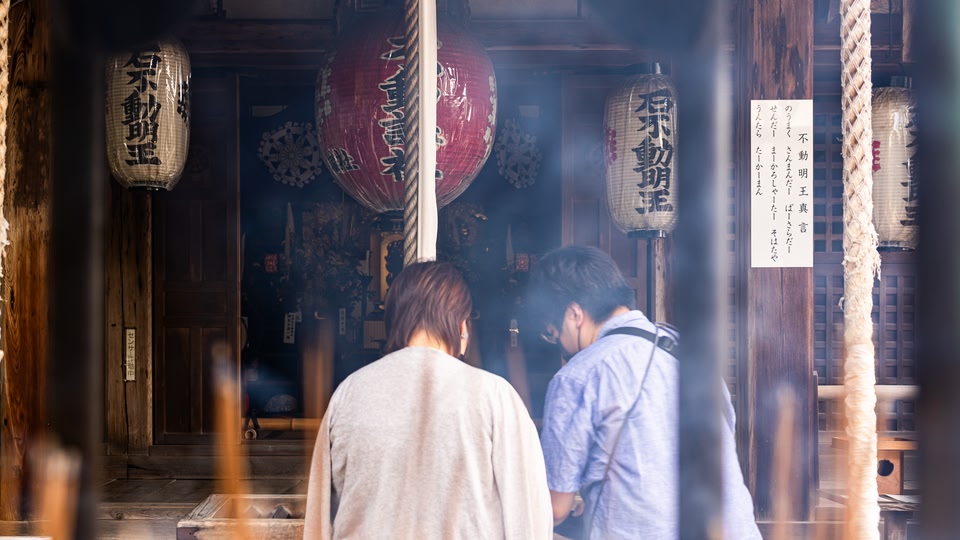
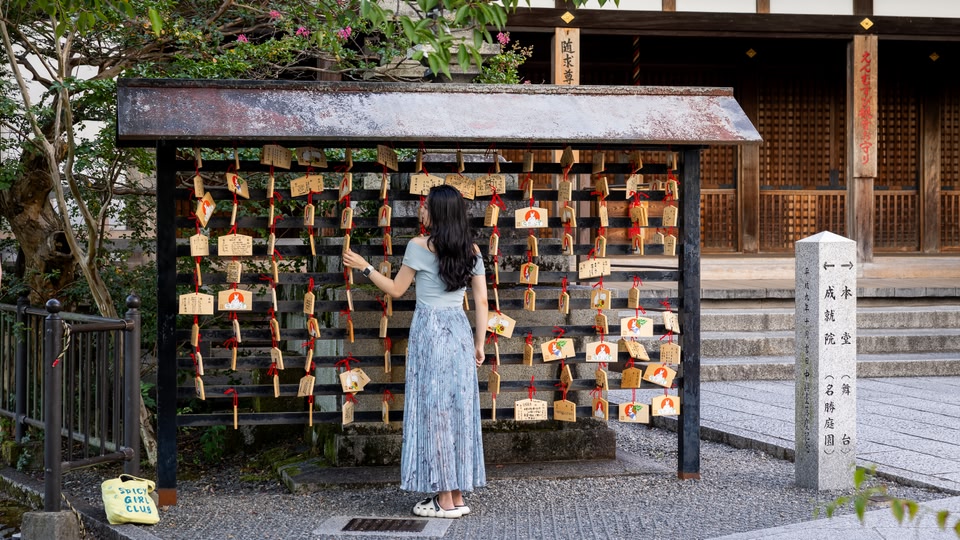
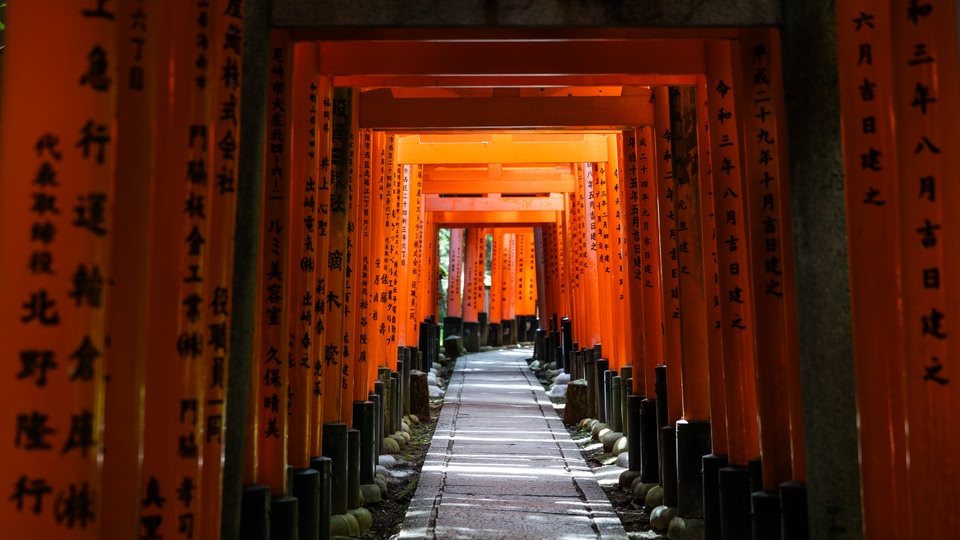
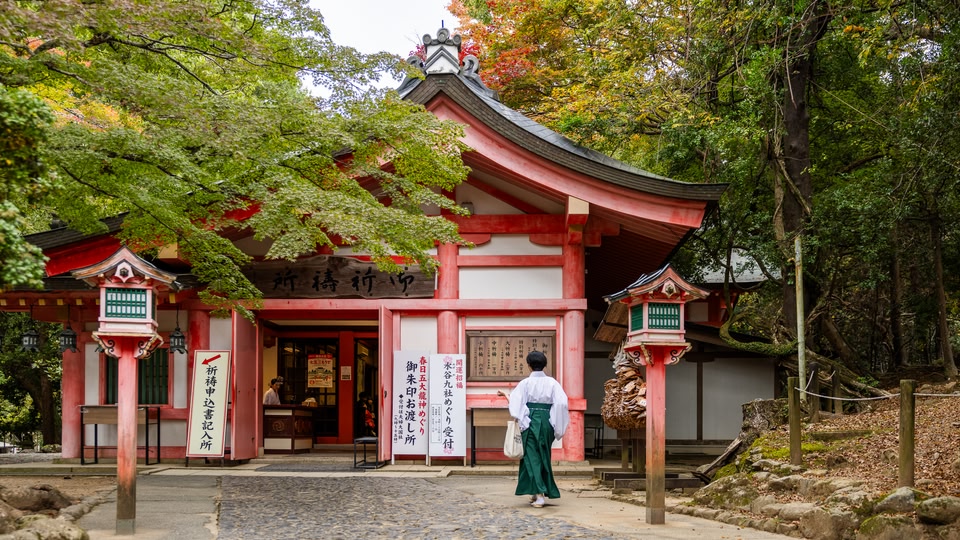
Touring the country’s Buddhist temples and Shinto shrines is one of the most moving things to do in Japan. These religious sites range from large compounds to simple roadside structures. Shrines like Fushimi Inari Taisha in Kyoto and Ise Jingū in the Mie Prefecture provide a glimpse into Japan’s culture and a moment of peace. Be sure to respect local customs — photography is typically forbidden inside the buildings.
Time-honoured traditions
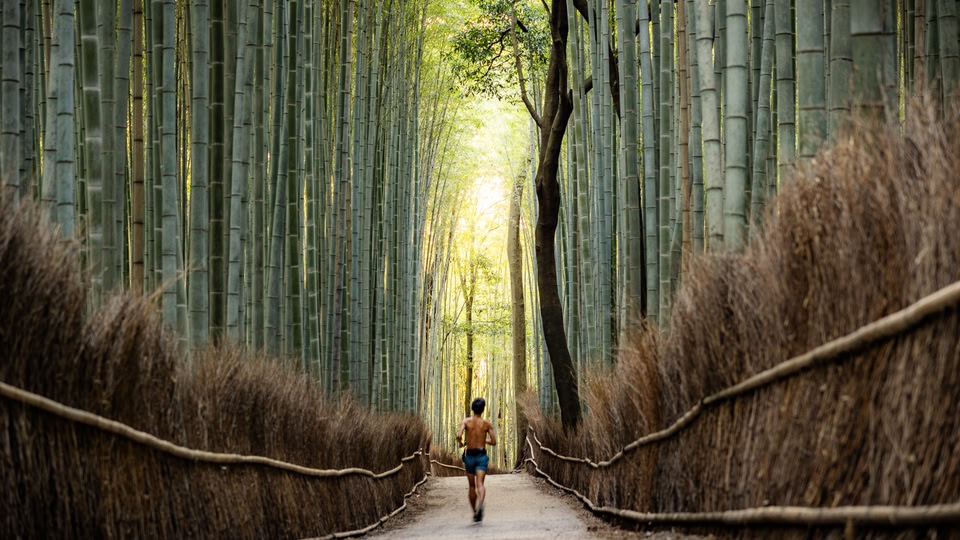
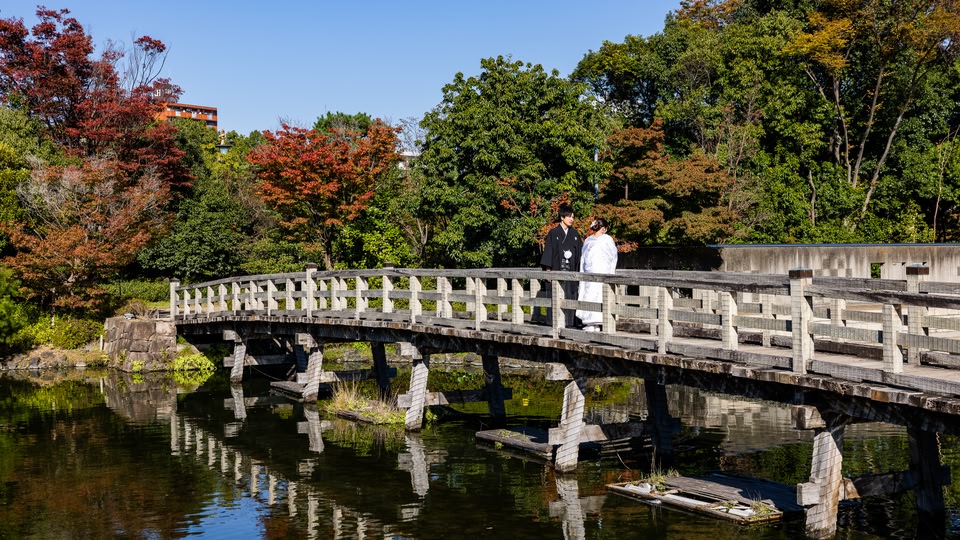
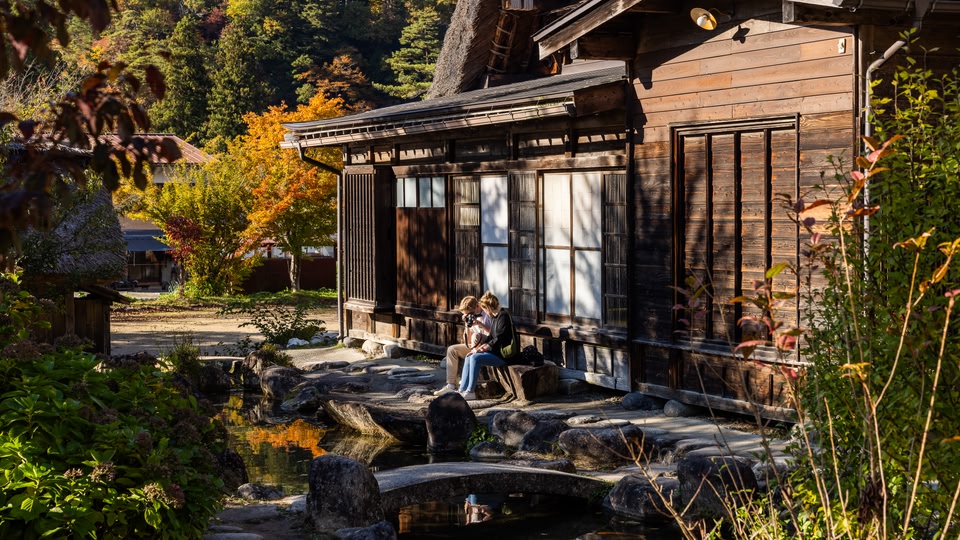
Japan’s centuries-old traditions are a vital part of modern life. Set aside several hours for a ‘kaiseki’, a multi-course Japanese meal followed by a classic tea ceremony. Relax as locals do at a hot springs resort known as an ‘onsen’. For an immersive experience, book a stay in a ‘ryokan’, a traditional-style inn where you’ll dine seated on tatami mats and sleep on futon mattresses.
Things to do in Japan
Top attractions
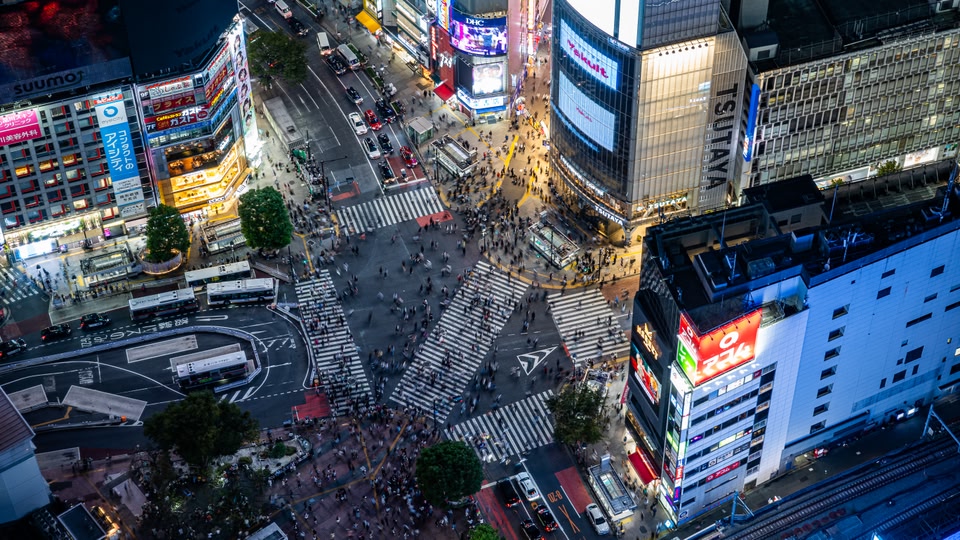
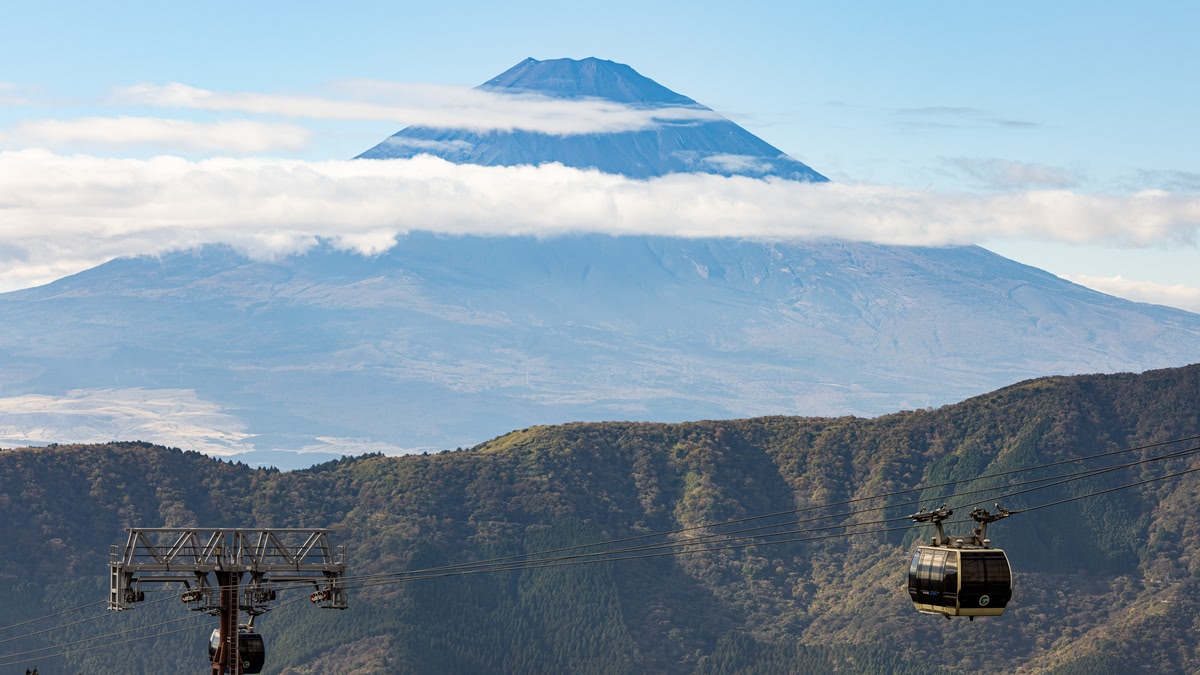
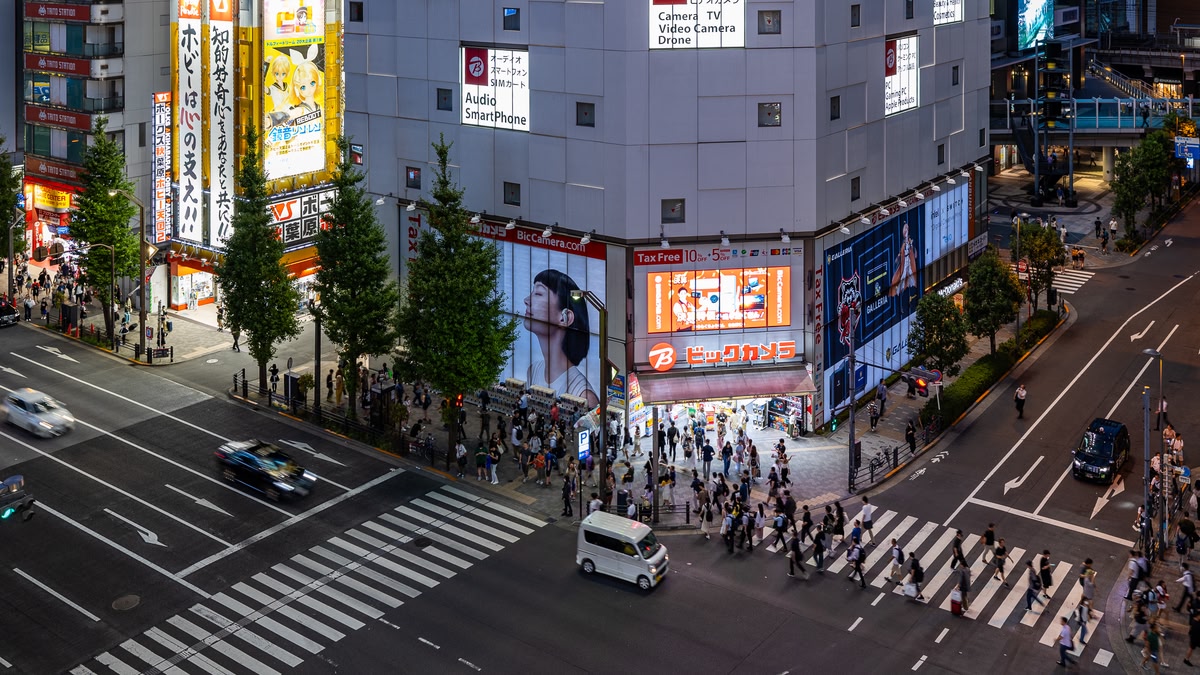
Millions of visitors stream through the red ‘torii’ gates to reach the ancient Fushimi Inari Taisha in Kyoto. Scale Mount Fuji in summer, or enjoy the view from the steamy comfort of nearby hot springs. And there’s no more iconic Tokyo experience than joining the masses under the neon lights at one of the busiest intersections in the world, Shibuya Crossing.
Beaches
Made up of thousands of islands, Japan is awash in scenic shorelines. Many of the most popular beaches in Japan are in the southern region of Okinawa and the nearby islands. Tokyo dwellers find bliss not far from the city on the Shōnan Coast and Miura Peninsula. Head north to the island of Hokkaido for rugged beauty and snow-covered beaches in winter.
Nature
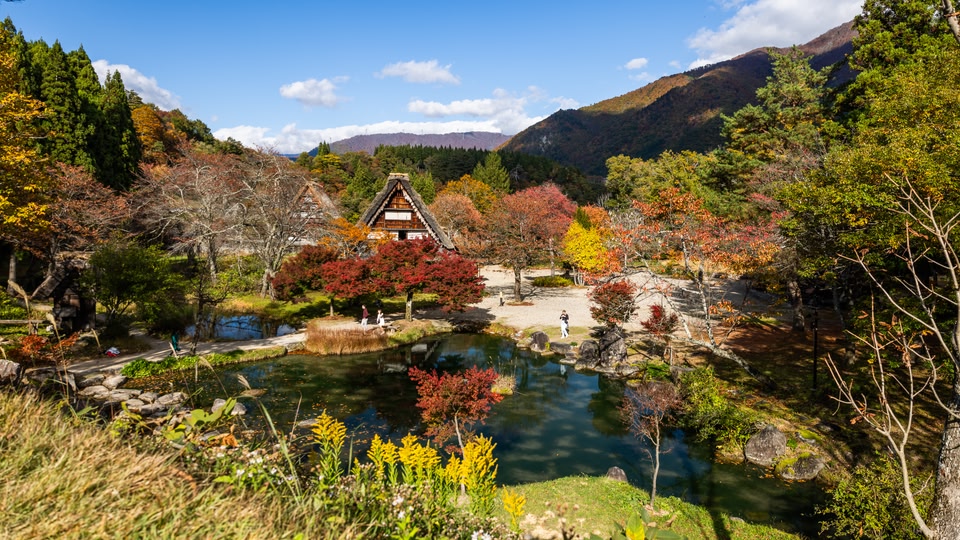
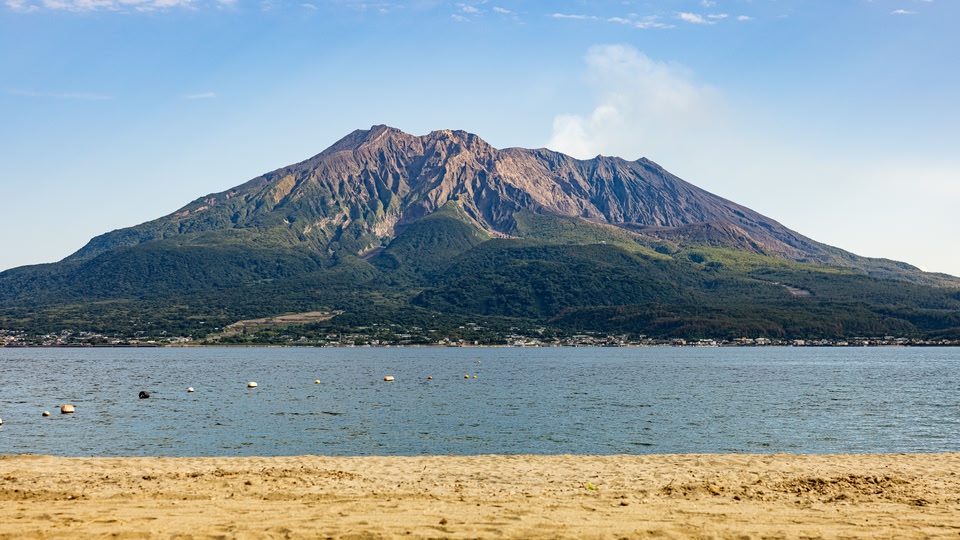
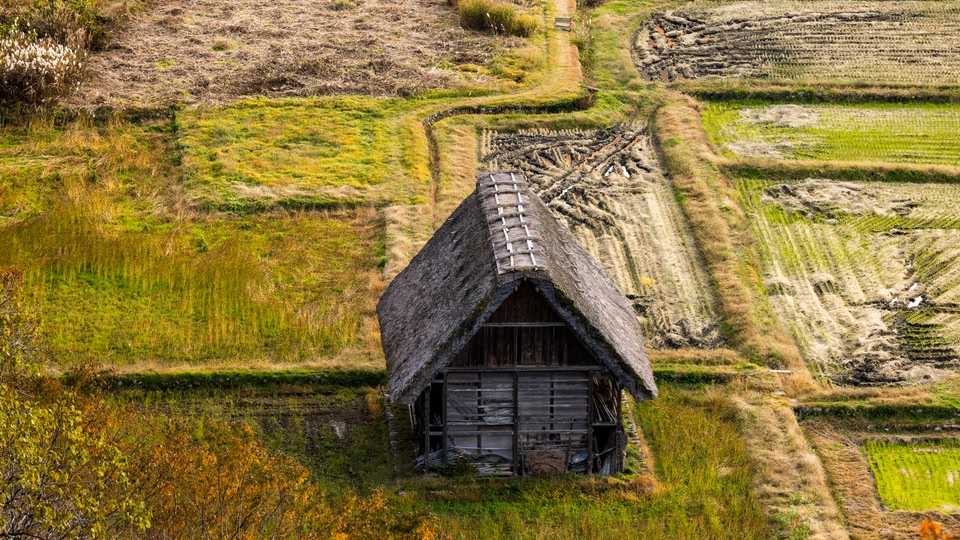
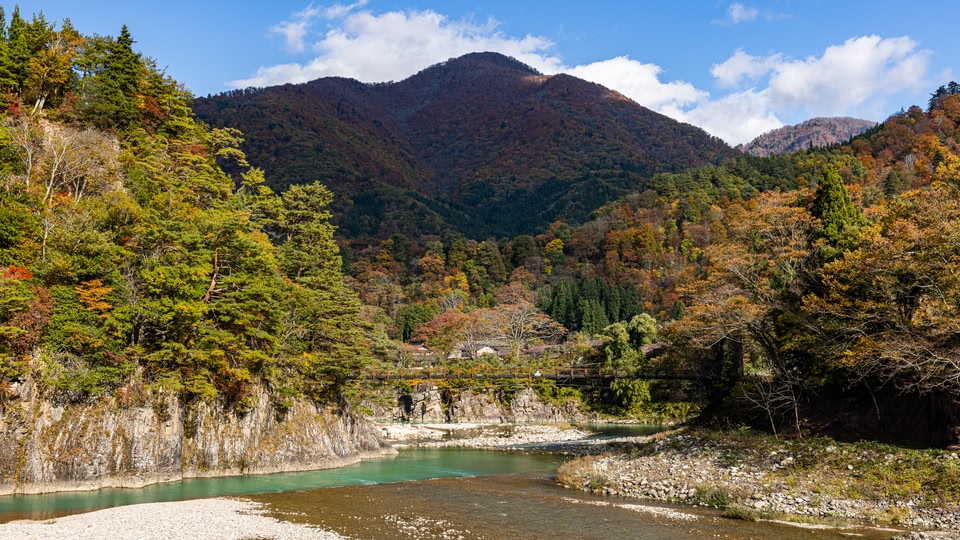
You don’t have to go far to find nature here — two-thirds of Japan is covered in forests and mountains. A day trip from Tokyo, Fuji-Hakone-Izu is the country’s most popular national park, with pristine forests, lakes, hot springs and views of Mount Fuji. Farther afield, ski the mountains of Hokkaido to the north, paddle beneath the gorges in Takachiho, or hike the mangrove jungles of Okinawa.
Culture and museums
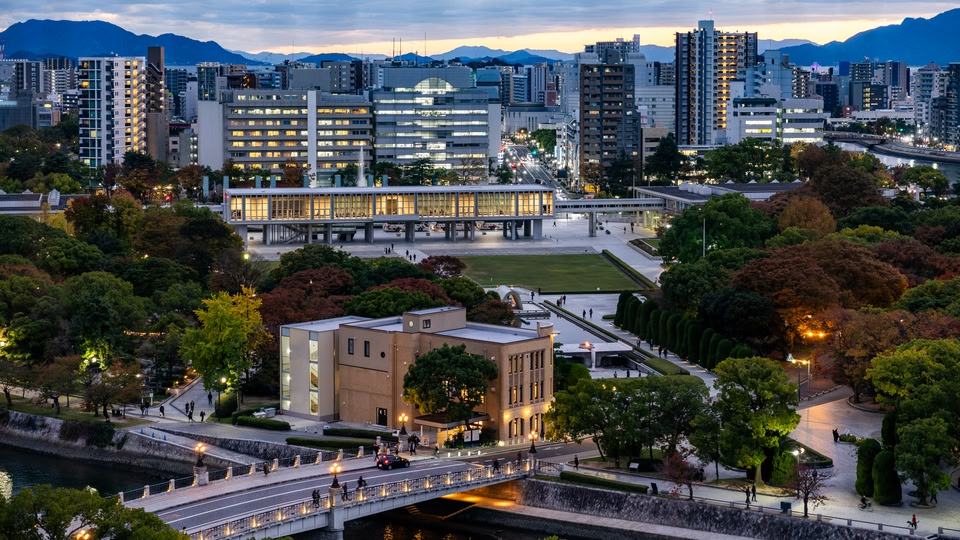
You’ll find ancient pottery, samurai swords and more at the Tokyo National Museum, home to the largest collection of Japanese art in the country. There’s no shortage of modern museums in Japan — Naoshima is an entire island dedicated to contemporary art and outdoor sculpture. To gain a deeper understanding of how Japan was devastated by the atomic bomb, the Hiroshima Peace Memorial Museum is an essential stop.
Cuisine
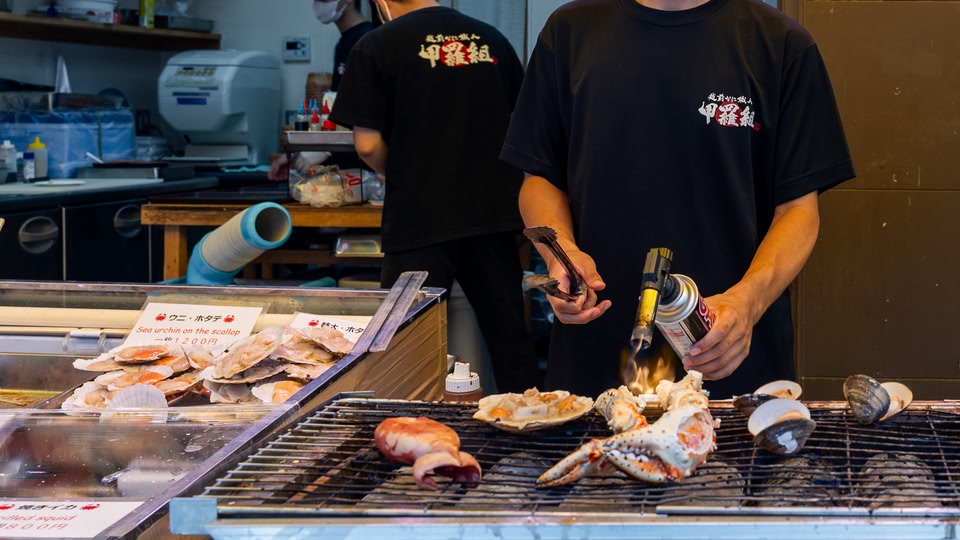
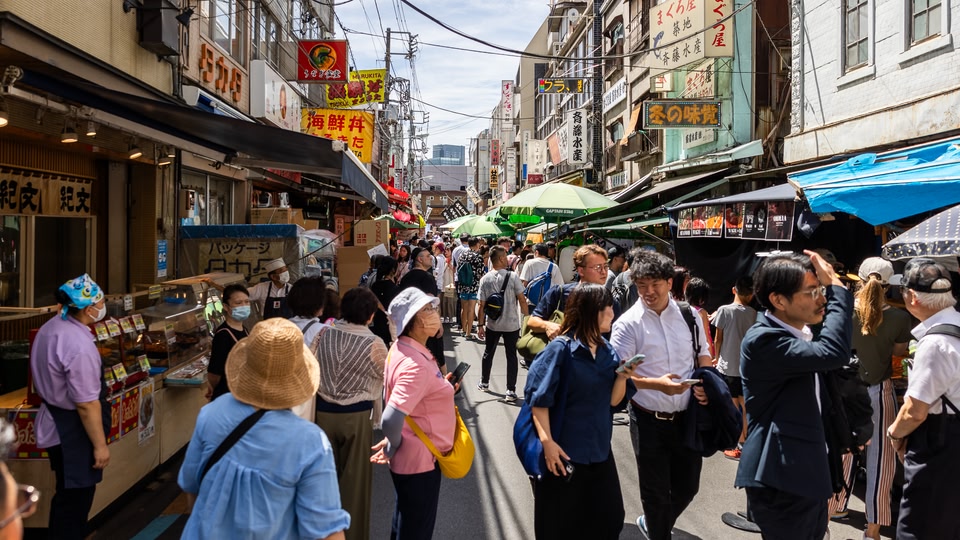
While there are plenty of upscale restaurants in Japan, you can eat well at any price point. The country is known for its ultra-fresh seafood, most famously sushi and sashimi. But you’ll also find it folded into soups or fried in batter. Sitting down to a big bowl of udon, soba or ramen noodles is a must (show your enjoyment by slurping), or splurge on Wagyu beef.
Family friendly
Theme parks Nijigen no Mori in Hyōgo and Ghibli Park in Nagakute introduce families to the world of Japanese anime. At Universal Studios in Osaka, movie magic meets adrenaline rush. Outside of Tokyo, Disneyland and DisneySea add Japanese visual flair to classic thrill rides. For a dose of nature, visit the city of Nara, which has a booming population of friendly deer.
Find the best time to visit Japan
Weather in Japan
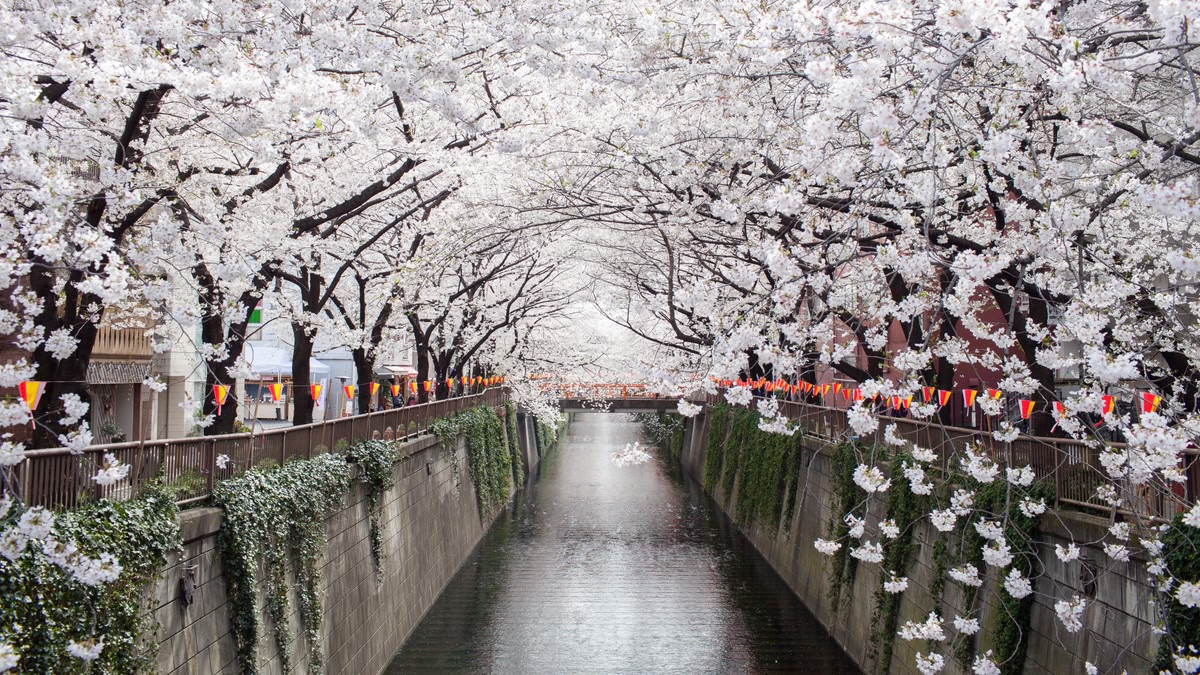
April – May: With its mild temperatures and blossoming trees, spring is considered by many to be the best time to visit Japan. The cities and landscapes are gorgeous, but be prepared for crowds.
June – August: Summer is hot and humid. Stay cool like the Japanese do with a portable fan or parasol, or by escaping to the coast or mountains.
September – November: Autumn brings crisp, cool days to most of Japan — perfect sightseeing weather.
December – March: The south of the country stays relatively dry, but it’s still chilly enough that you’ll need a heavy coat. You’ll mostly find snow in the north, making for excellent skiing in places like Hakuba.
Events in Japan
Ueno Cherry Blossom Festival (March to April): Of the many cherry blossom festivals that take place all over Japan, this one in Tokyo’s Ueno Park is a can’t-miss. More than 1,000 cherry trees produce clouds of pink, which look magical when lit by lanterns after dark.
Gion Festival (July): Going strong since AD 869, this multi-day festival in Kyoto is among the most spectacular events in Japan. Several nights of street parties lead up to two parades featuring massive floats.
Nebuta Festival (August): Costumed visitors from around the world descend on the northern city of Aomori for this five-day party. Come for the fanciful papier-mache floats; stay for the general revelry.
Know before you go
Getting around Japan
Public transportation
Buses: Buses give you an affordable way to see Japan and get around smaller towns. Multiple companies offer long-distance routes, but the most convenient for travellers are the JR Bus and Willer Express services.
Trains: Japan is famous for its efficient, comprehensive train networks, many of which are run by Japan Railways. You can buy a variety of countrywide, regional and city passes for unlimited train travel.
Boats: The four main islands of Japan are connected by bridges and tunnels. But ferries allow you a more scenic (if slower) way to travel between them, as well as reach smaller islands.
Domestic flights
There are more than 50 airports scattered throughout Japan, including the big ones in Tokyo and Osaka. If you’re trying to cover long distances in a short time, domestic flights offered by low-cost airlines like Peach, Jetstar Japan and Skymark can sometimes be cheaper than high-speed trains.
Driving
Apply for an International Driving Permit (IDP) in your home country if you plan to hire a car in Japan. The country’s roads are safe and well maintained, and driving can be the easiest way to access remote areas. In the major cities, save yourself a traffic-induced headache and stick to public transport.


