Montenegro holidays
Located on the western edge of the Balkan Peninsula, tiny Montenegro has a personality all its own. The best holidays to Montenegro can be action-packed and full of adventure. Hike challenging alpine landscapes, get cultured in towns draped in centuries of history or pamper yourself at a glamorous beachfront resort while you watch luxury yachts bob in the marinas.
Top destinations in Montenegro
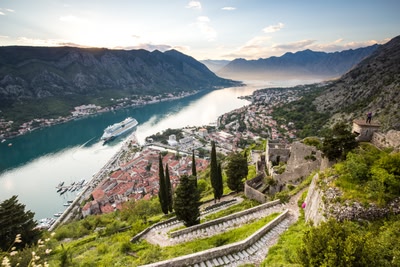
Kotor
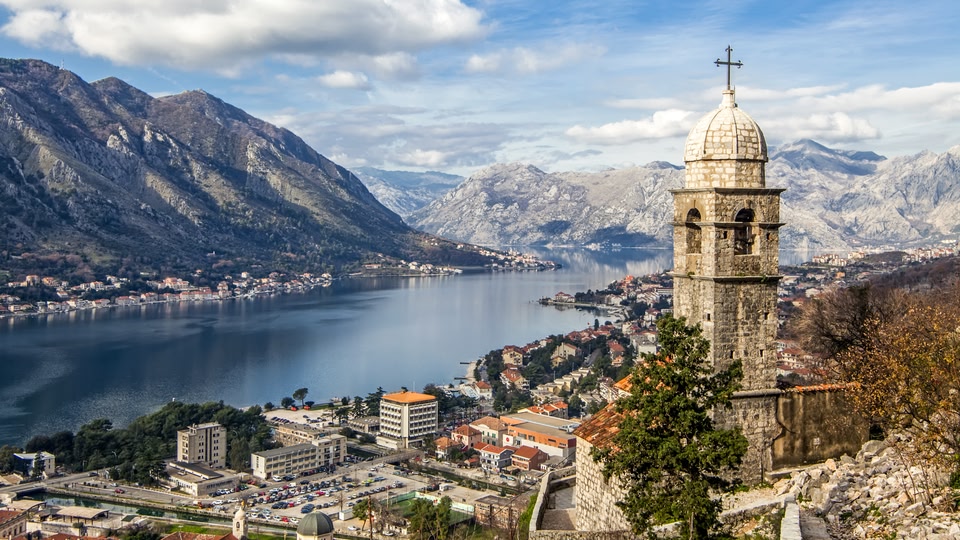
As if straight out of a fairy tale, the Adriatic town of Kotor sits between deep-blue sea and dramatic limestone peaks. Take in the whole historic city from a hilltop fortress.
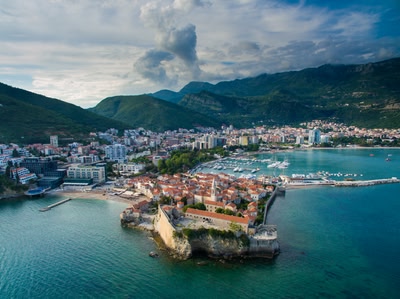
Budva
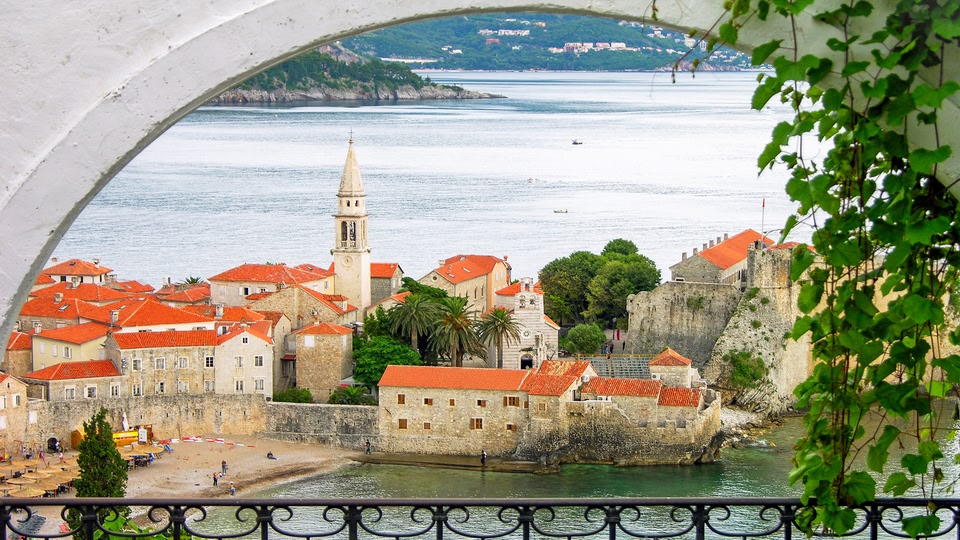
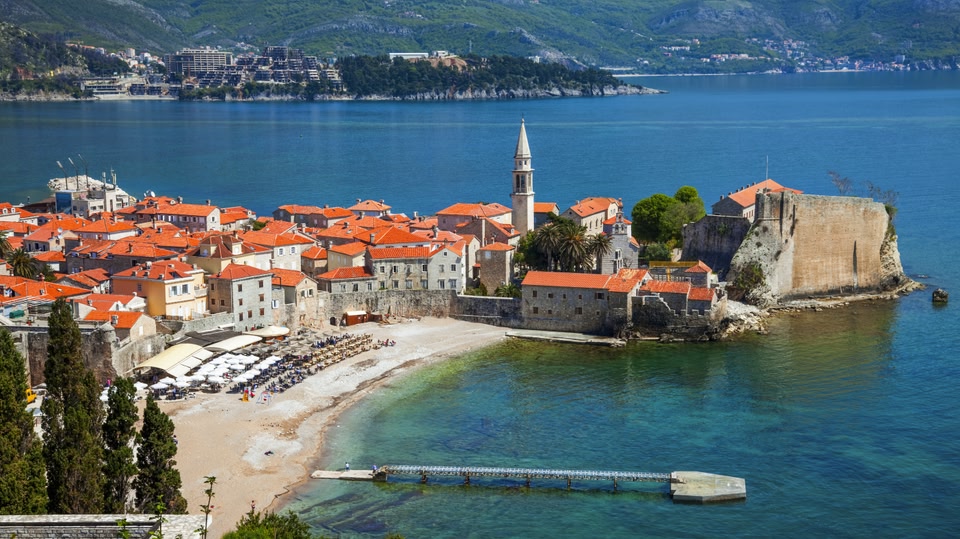
Old-world charm breathes through the walls of Budva’s medieval core. But there’s more fun to be had on the city’s idyllic beaches and in its cobblestone streets filled with patio bars.
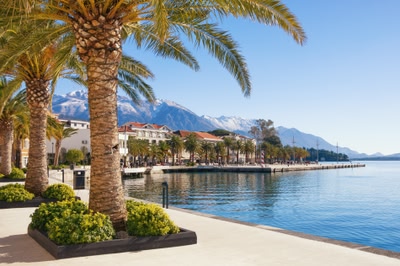
Tivat
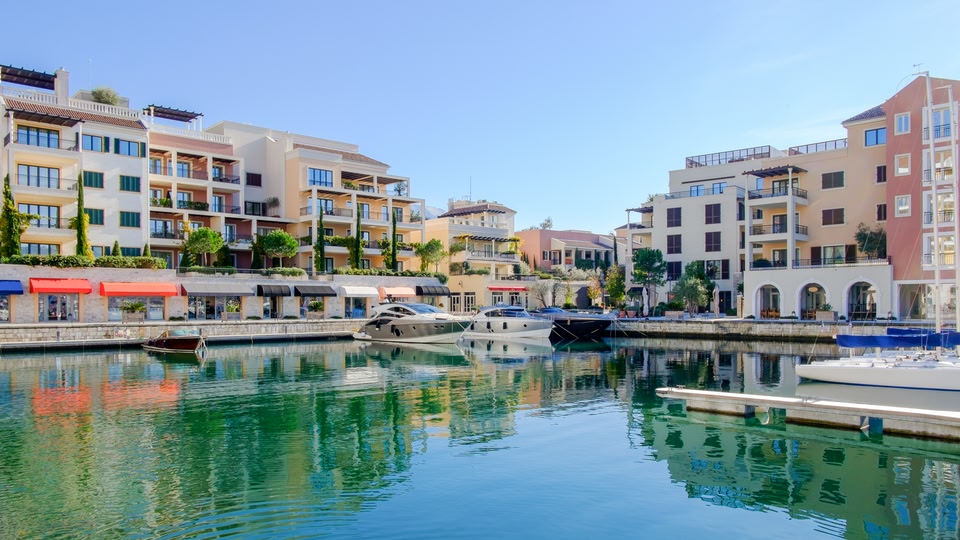
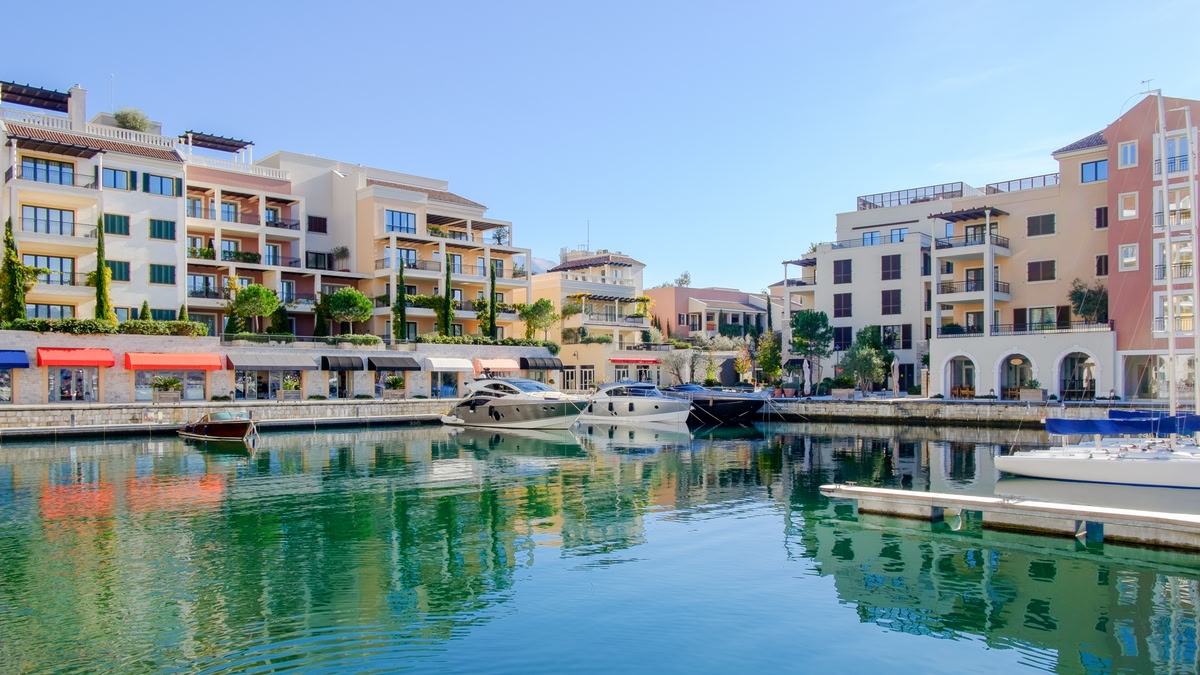
Montenegro’s glitziest stretch of coastline is best known for superyachts and sleek hotels. But don’t miss its Mediterranean cuisine, Venetian-inspired architecture and thought-provoking museums.
Montenegro: fast facts
Language
Montenegrin
Currency
Euro (€)
Time zone
UTC+1 (CET) and UTC+2 (CEST)
Montenegro holiday highlights
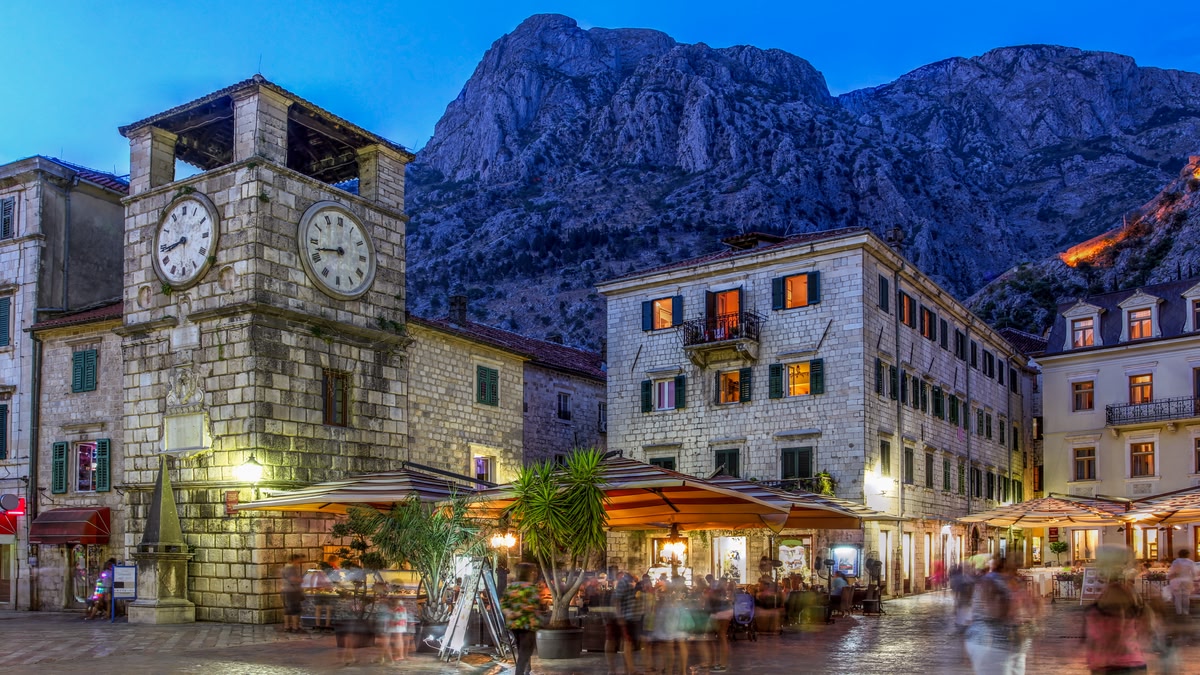
See ancient architecture
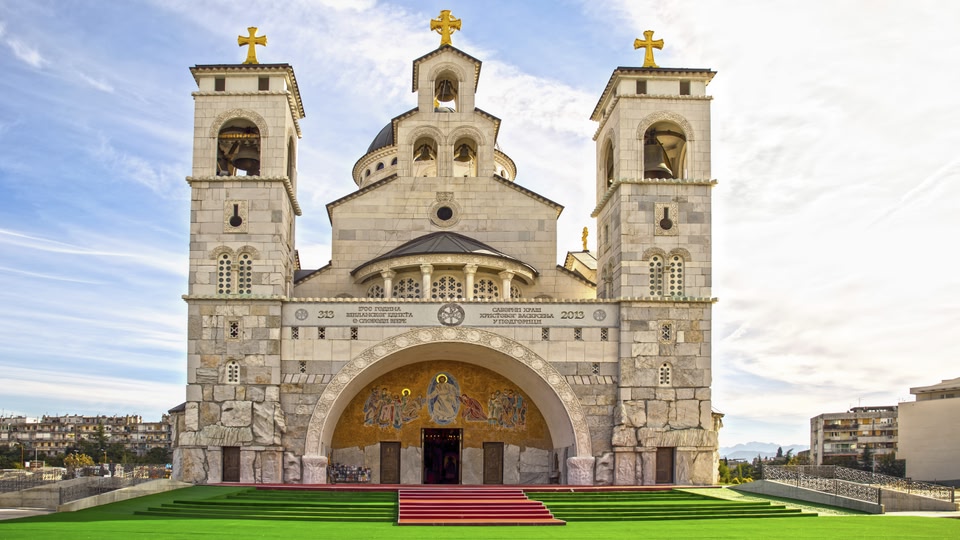
Because of Montenegro’s small size and central location, it’s been occupied by a variety of different civilisations, from Venetians and Romans to Slavs, going all the way back to the ancient Illyrians. Each one left its mark on the country’s architecture. Look no further than the 12th-century Church of Saint Luke — its architecture is a mix of Byzantine, Romanesque, Slavic and Gothic styles.
Sample local wine
Montenegrin wines have started to catch the attention of the world, especially a local variety called Vranec. Literally translated as ‘strong black’, the wine is potent and dark in colour and makes up about 70% of Montenegro’s wine production. To taste it, head to the family-run wineries of Virpazar, a town in the Crmnica wine country overlooking Lake Skadar.
Visit a medieval town
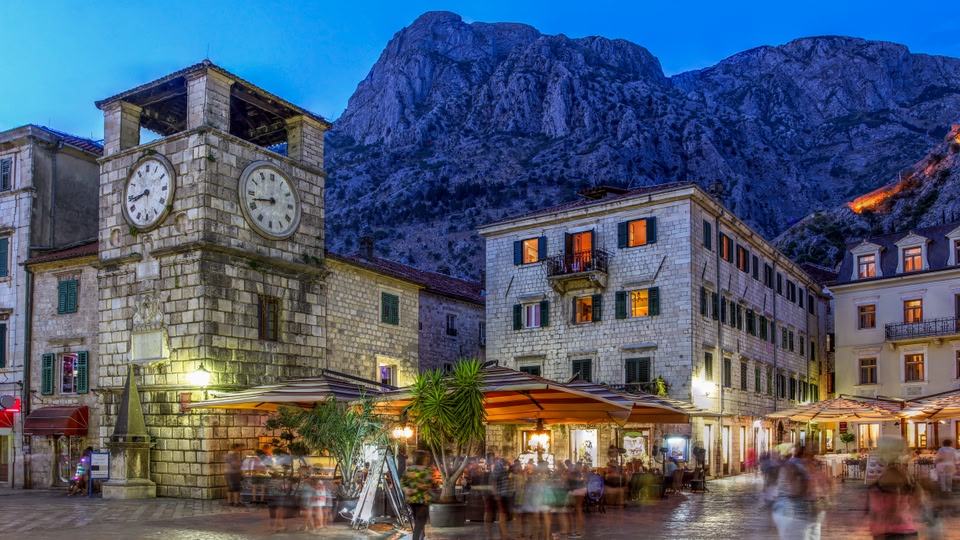
One of the best things to do in Montenegro is to visit the well-preserved medieval town of Kotor. To explore this UNESCO-listed site, take your cue from the hundreds of cats that are the city’s unofficial symbol. Lazily stroll the historical centre’s warren of narrow, cobbled streets, nose around Venetian fortresses, and relax in one of Kotor’s cafe-lined plazas as you watch the world go by.
Things to do in Montenegro
Top attractions
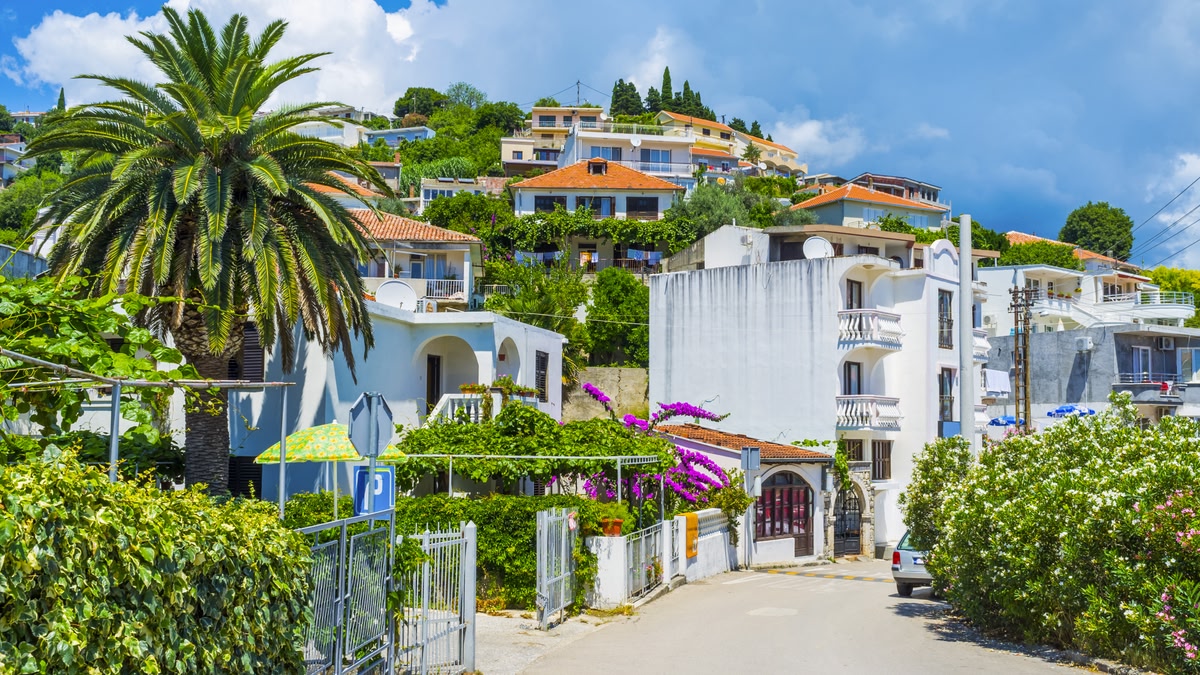
Hike Venetian fortress walls for a bird’s-eye view of the Bay of Kotor — or paddle across by kayak at sunset. The dramatic Ostrog Monastery is carved directly into a cliff face. Don’t miss the ancient frescoes painted on cave walls. Short on time but eager to see Durmitor National Park? Drive its ring road for views of glacial lakes and thick pine forest.
Beaches
Montenegro has one of the prettiest coastlines in all of Europe. It meanders through natural harbours and creates countless little coves and beaches, some sandy, some pebbled. The Budva Riviera has some of the best beaches in Montenegro, like the exclusive walled island of Sveti Stefan, surrounded by clear, bright blue water.
Nature
Montenegro, meaning ‘black mountain’, is named for its dramatic peaks carpeted in lush dark forests. The tallest mountain is in Durmitor National Park, which is also home to 17 glacial lakes and Europe’s deepest canyon, the Tara River Gorge. Birdwatchers should head south to Lake Skadar, where Dalmatian pelicans, pygmy cormorants, falcons and more than 250 other species of birds can be found.
Culture and museums
In Cetinje, King Nikola’s Palace is one of the best museums in Montenegro. You can visit the living quarters of the monarch once called the Father-in-Law of Europe. See artwork preserved from a 2nd-century Roman villa at the Roman Mosaics Museum in Risan. Or take in the impressive collection of feline art at the Cats Museum in Kotor.
Cuisine
Many of the most renowned restaurants in Montenegro can be found in the coastal resorts around the Bay of Kotor. You can also taste traditional Montenegrin cuisine at any of the country’s many ‘konobas’ (taverns). On the menu, you’ll usually come across dishes like ‘Njeguški pršut’ (a smoked ham that rivals Italian prosciutto) and ‘kačamak’ (a type of polenta).
Family friendly
The largest lake in the Balkans, Lake Skadar is dotted with island monasteries, lily-covered meadows and rare Dalmatian pelicans. Explore it by boat or pedal the scenic shoreline by bike. Durmitor National Park is home to Tara River Gorge, one of the deepest on earth. Zipline through the trees for a hair-raising adventure, or raft its turquoise rapids.
Find the best time to visit Montenegro
Weather in Montenegro
March – May: Wildflowers and lush greenery make spring a beautiful time on the coast. Temperatures average 18°C in May, and the mountains stay cool.
June – August: Summers are hot and dry along the Adriatic coast. With temperatures in the high 20s°C, this is a beautiful time for a swim. It can be a little cooler inland, ideal for tackling mountain hikes.
September – November: The weather is warm enough to swim in early autumn, and harvest wine festivals are in full swing. By November, you’ll see rain, especially inland.
December – February: The coast stays mild but wet in winter. Up north, the peaks of Kolašin and Žabljak are dusted white, making this a great time for snow sports.
Events in Montenegro
Carnival (February and August): Party like the Venetians at Kotor Carnival. By day, watch the parade and feast on treats like fried fish. By night, join a masquerade ball and dance until the sun comes up.
Fašinada (July): Join locals in Perast to watch this centuries-old boat procession, where fishermen drop stones around Our Lady of the Rocks church in gratitude for safe voyages. The tradition transforms the Bay of Kotor into a floating celebration of faith and community.
KotorArt Festival (July to August): Kotor’s medieval old town and glittering bay form the backdrop to this classical music festival. Expect globally recognised acts, philosophical roundtables, child-friendly theatre and more.
Know before you go
Getting around Montenegro
Public transportation
Buses: Montenegro has an extensive bus network that connects most corners of the country. Intercity buses are frequent and affordable, though schedules can vary, especially in rural areas. Luggage often costs extra, so keep some cash on hand.
Trains: The country has only two train lines, serviced by Rail Transport of Montenegro. The long-haul line from Bar to Belgrade, Serbia, is considered one of Europe’s most scenic.
Boats: Boat travel in Montenegro is limited but scenic. Water taxis operate across the Bay of Kotor, with quick crossings for vehicles and passengers. Private boat tours and charters are common along the Adriatic coast, especially around Kotor, Budva and Herceg Novi.
Domestic flights
Montenegro is served by Podgorica Airport and Tivat Airport. While there are no domestic flights, you can travel between the two by car in 90 minutes.
Driving
Hiring a car is one of the most rewarding ways to see the country. Drive with caution, as coastal roads can be narrow and lack barriers. By law, dipped beams must be used at all times. For a scenic thrill, tackle the Serpentine Road from Kotor, famous for its 16 dramatic hairpin bends.


