Senegal holidays
World-class waves and fresh Atlantic seafood are par for the course in Africa’s westernmost country. But holidays to Senegal have more to offer the intrepid traveller. In Dakar, ‘djembe’ drums provide a soundtrack to vibrant street life, while chimpanzees, elephants and big cats await on safari inland. Venture further still to find tribal communities isolated by mangroves and foothills.
Top destinations in Senegal
Dakar
With an impressive cultural lineup featuring contemporary African art, colourful festivals and storied heritage sites, Senegal’s capital should be on your radar.
Senegal: fast facts
Language
French
Currency
West African CFA franc (CFA)
Time zone
UTC+0 (GMT)
Senegal holiday highlights
Wildlife spotting
The UNESCO-listed Niokolo-Koba National Park is the final stronghold of West Africa’s endangered species. Roam its wetlands, bamboo forests and grassy savannas on the trail of leopards, lions and elephants. Birdwatchers should head for the Djoudj National Bird Sanctuary. Millions of migratory birds — including one of the world’s largest colonies of white pelicans — stop here on their arduous journey between Europe and Africa.
Colourful markets
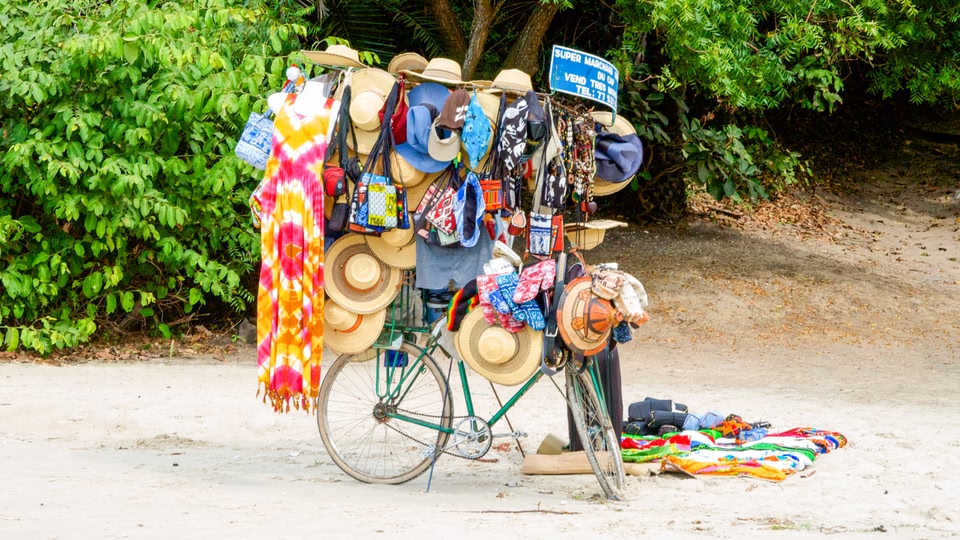
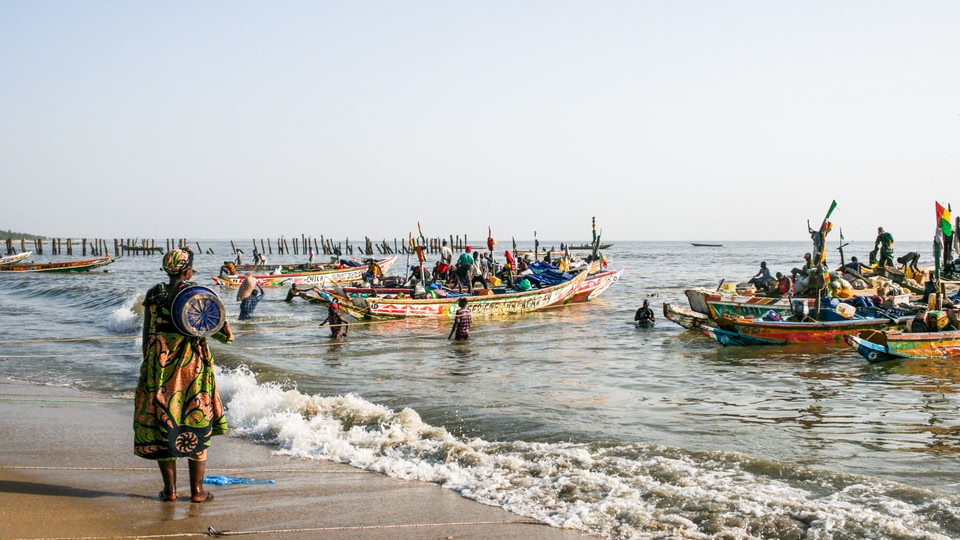
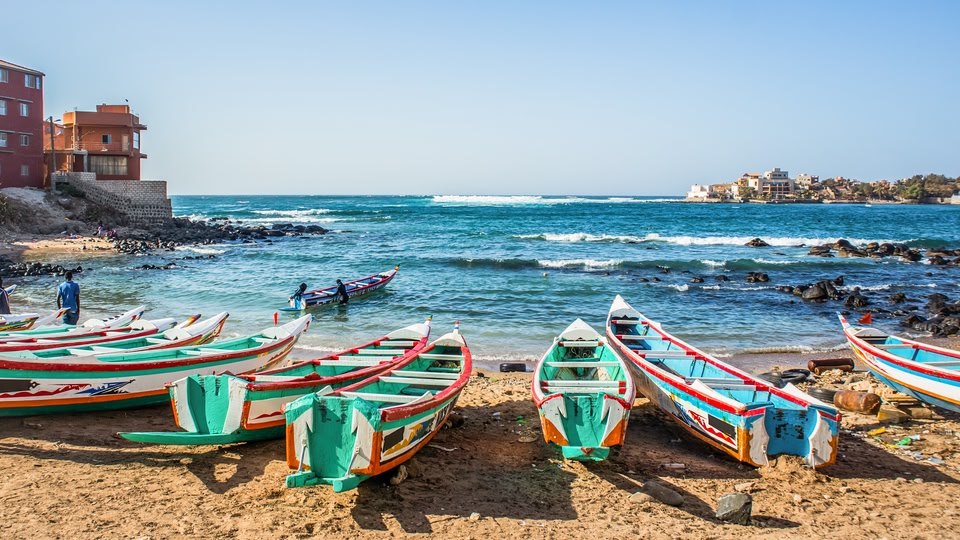
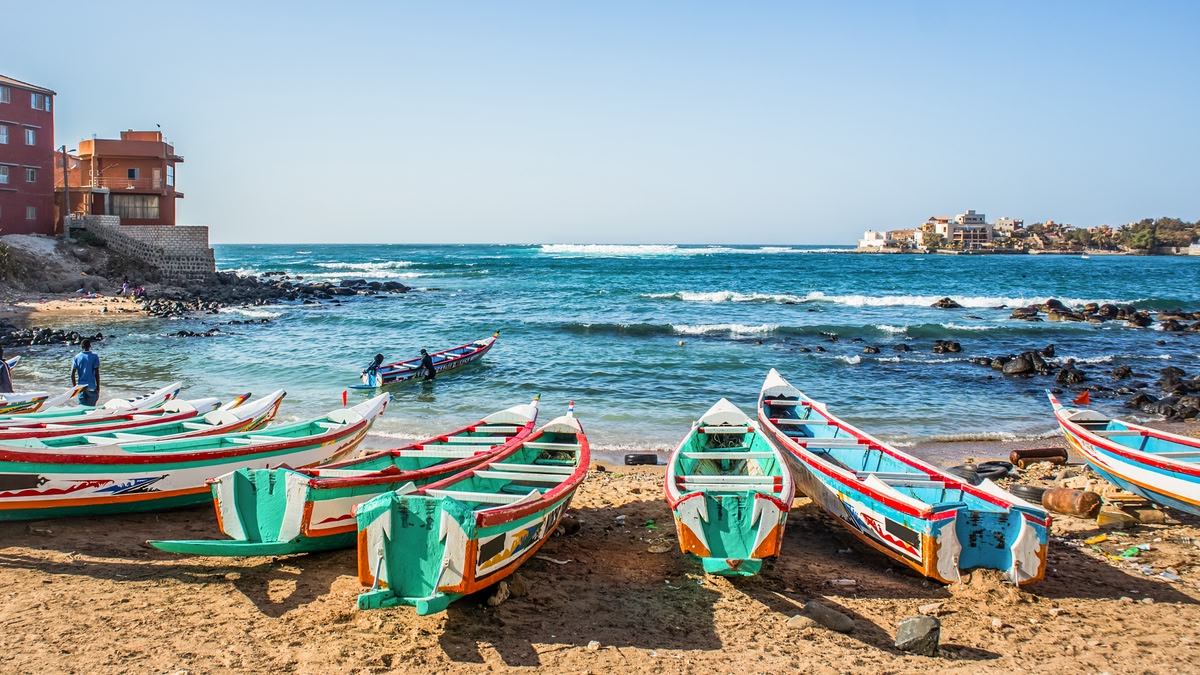
From traditional sand art to miles of fabric, there are endless things to see in Senegal’s markets. Head to the HLM market for brilliant batik fabrics and custom-tailored clothing. From there, follow your nose to the fishing district of Soumbédioune, where fishermen return every afternoon with boats full of bounty. Be ready to barter, and always ask permission before photographing locals.
Tribal cultures
Fire eating, drumming and elaborate costumes are all on the cards at the Great Carnival of Dakar each November. Wrestling was traditionally associated with harvest festivals and preparing for war — catch a match while in the capital. Many of Senegal’s remote tribes welcome travellers. Request a visit with the village chief before you head to the Bédik village of Iwol in Bassari country.
Things to do in Senegal
Top attractions
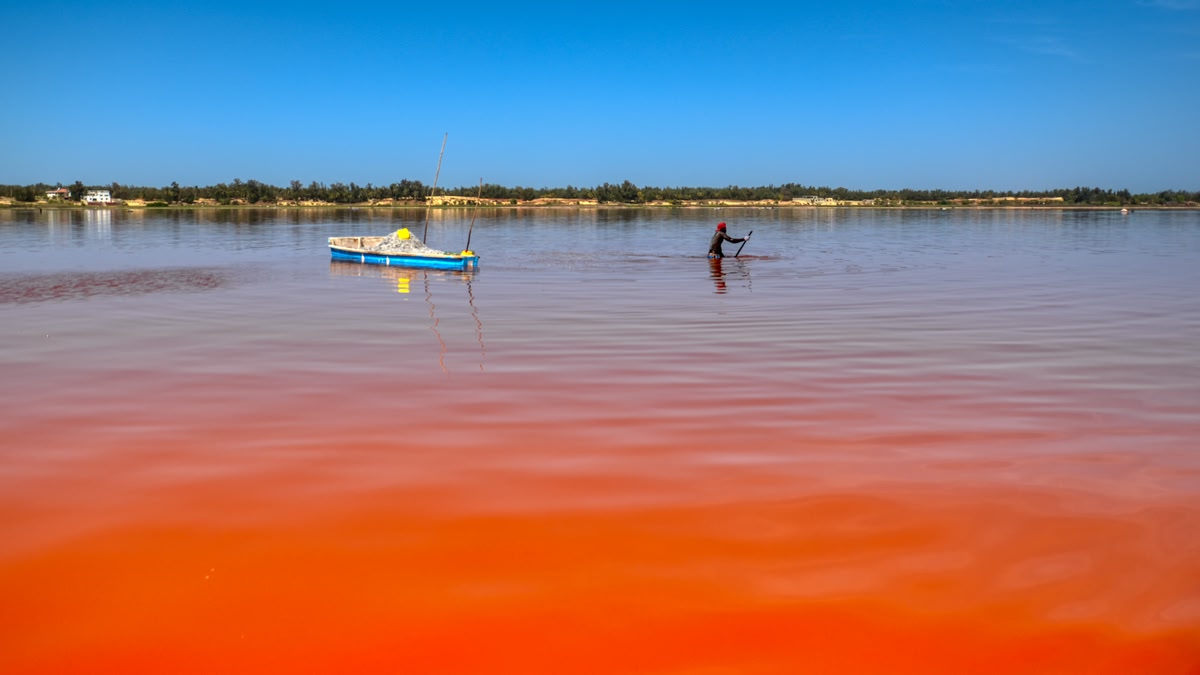
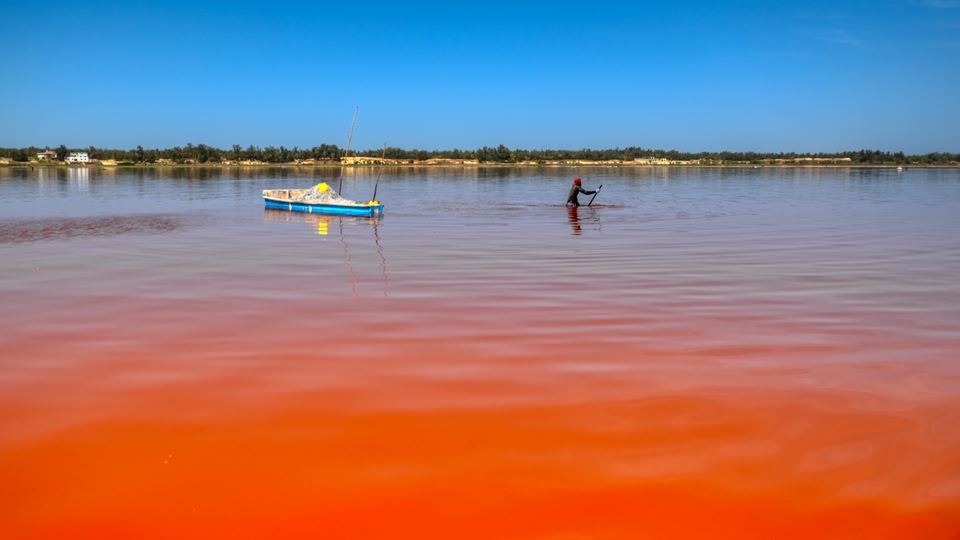
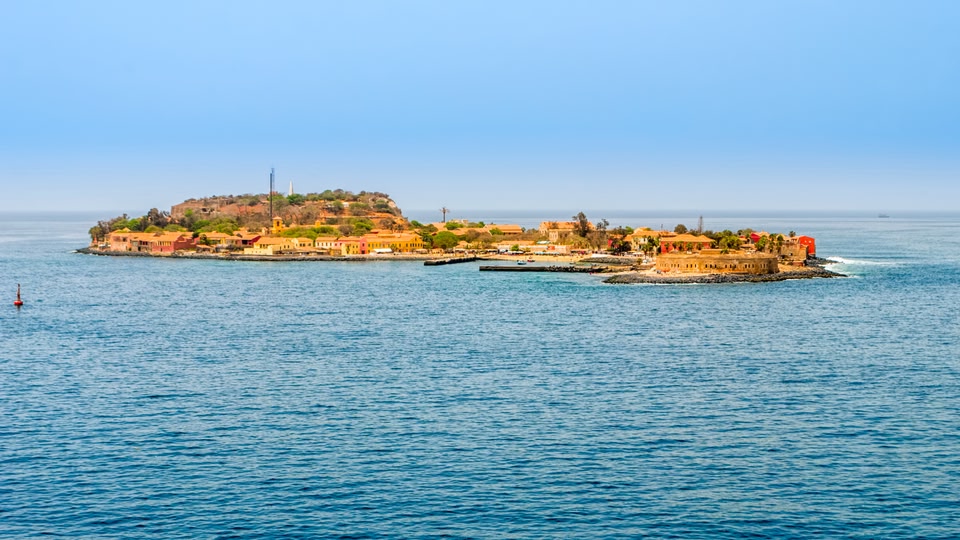
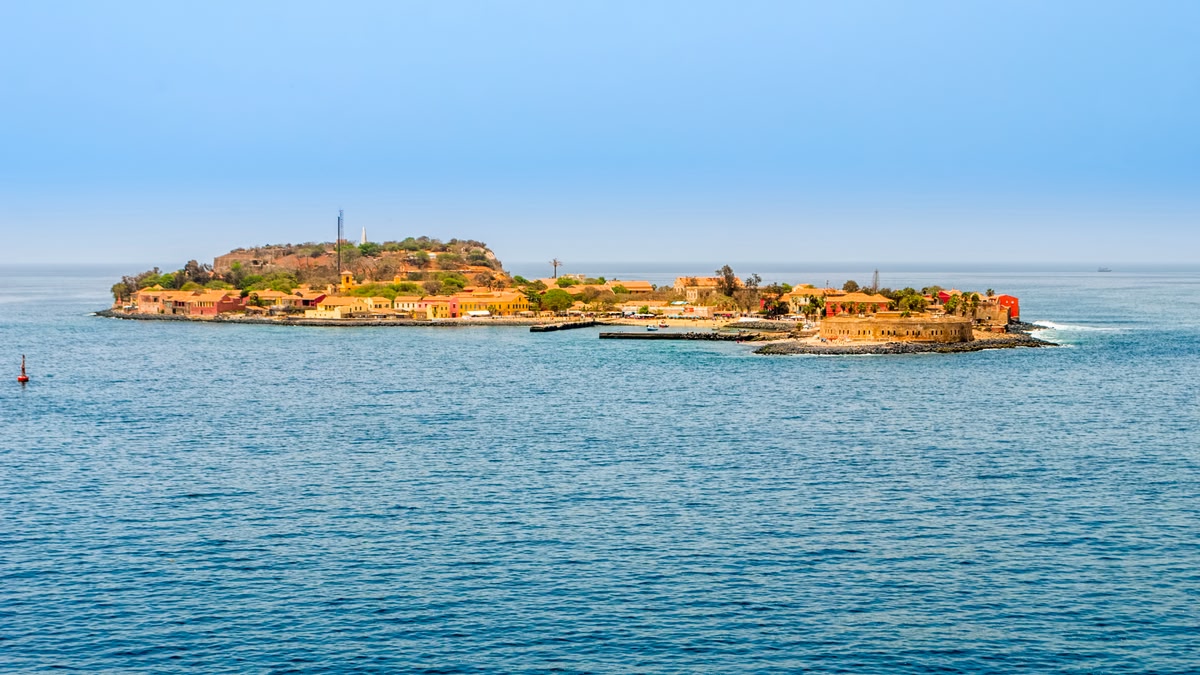
Spot buffalo, antelope and possibly a lion on a wildlife safari through Niokolo-Koba National Park. For more action, take a dune buggy tour around Lake Retba, known as ‘Lac Rose’ for its distinctive pink colour. Visiting the Island of Gorée? After exploring its museums, wander the island’s cobbled streets lined with colourful colonial-era buildings, art galleries and traditional craft vendors.
Beaches
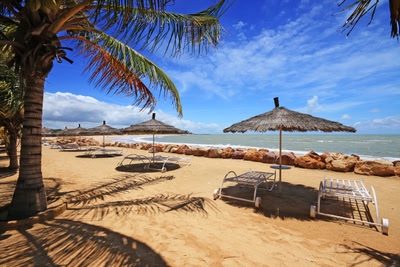
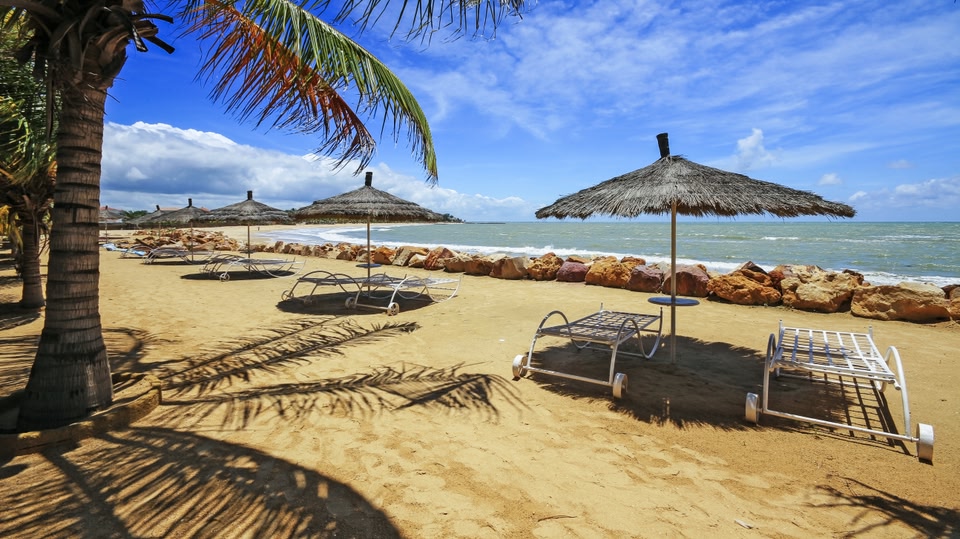
A golden coastline spanning hundreds of miles makes Senegal a dreamy beach break. In Dakar, the Copacabana Surf Village has evolved into an international community bonded by world-class waves. The beach at Cap Skirring offers a taste of the tropics with its thick stands of palm trees — though prepare to jostle for space with a herd of sun-worshipping cows.
Nature
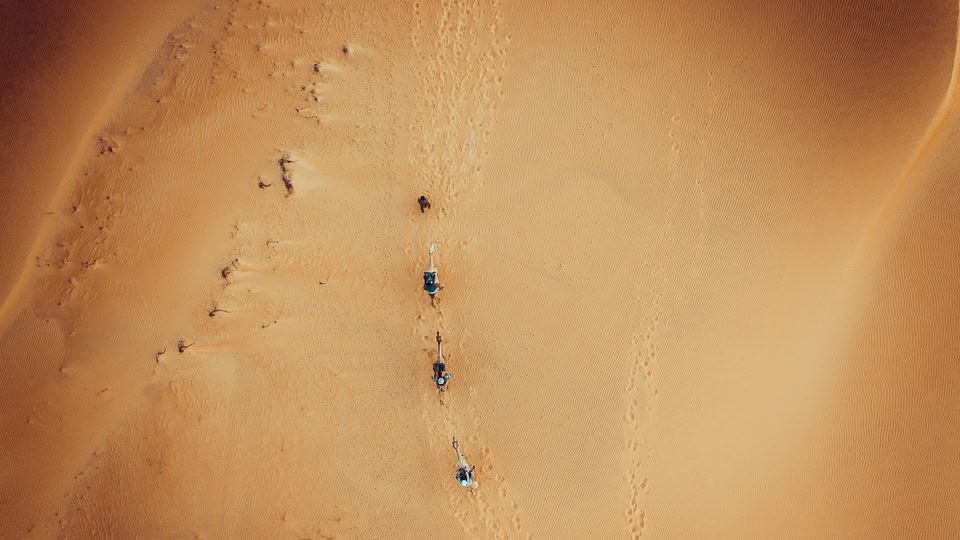
Swap the chaos of the city for the tranquillity of the Lompoul desert. Take an organised excursion to feast on traditional fare and dance to the drums around a roaring fire. At night, you’ll sleep beneath the stars with only the camels for company. Off the coast of Joal, Fadiouth is known as ‘Shell Island’ for its millions of mollusc shells that crunch underfoot.
Culture and museums
A quick ferry ride from Dakar brings you to the UNESCO-listed Island of Gorée, home to the most important museum in Senegal. The House of Slaves serves as a memorial to the countless Africans processed here as part of the transatlantic slave trade. On the mainland, the IFAN Museum of African Arts houses an impressive collection of ritual masks and artefacts from across West Africa.
Cuisine
Senegalese cuisine is influenced by the country’s many ethnic groups and time under French rule. Restaurants in Senegal showcase fresh Atlantic seafood, usually served with a heaping of rice or couscous. Don’t miss the national dish, ‘thieboudienne’, a one-pot wonder with a tomato-based sauce and vegetables. It’s customary to eat with your hands, so don’t be shy about having a go.
Family friendly
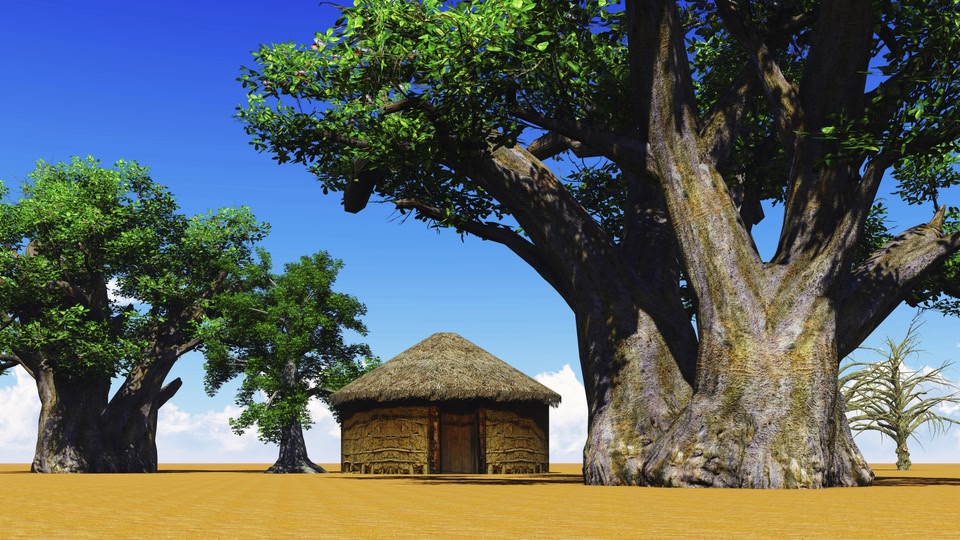
Prepare for thrilling zip lines and obstacle courses above a canopy of baobab trees at Sindia’s Accrobaobab Adventure park. Or make a beeline for Île de N'Gor’s northern coastline for a day of hanging ten at surf camp. Travelling with a wildlife lover? Take a ‘pirogue’ (traditional canoe) tour of UNESCO-listed Saloum Delta National Park to spot a variety of birdlife.
Find the best time to visit Senegal
Weather in Senegal
June – October: Senegal’s rainy season sees the heaviest downpours in August. Expect hot and humid weather, with temperatures regularly topping 35°C. Pack quick-dry clothing, waterproof shoes and don’t forget your insect repellent — the mosquitoes can be fierce. But it’s a great time to visit for fewer crowds and cheaper prices.
November – May: Sunny skies, low humidity and little to no rain make the dry season the best time to visit Senegal for outdoor activities like safari excursions and beach days. Average temperatures hover around 25°C, and coastal areas benefit from cooler breezes. Be aware that winds from the Sahara often affect visibility and air quality between November and mid-March, especially around Dakar.
Events in Senegal
Saint Louis Jazz Festival (May): Billed as Africa’s biggest jazz festival, this multi-day event celebrates jazz, African rhythms and global music. Past headliners include Herbie Hancock and Marcus Miller.
Kaay Fecc (May to June): Held annually in Dakar, this dance festival spotlights traditional and contemporary choreography from Senegal and around the world.
Festival International du Film de Quartier (December): Head to Dakar for one of Senegal’s largest film festivals. You’ll find screenings by African filmmakers at venues across the city, including restaurants, museums and cultural centres.
Abéné Festival (December to January): Djembe and percussion players take centre stage during this festival held in Abéné. Alongside percussion music, expect nightly dance performances and Senegalese wrestling matches.
Know before you go
Getting around Senegal
Public transportation
Buses: Buses are affordable, though their comfort and reliability can vary. ‘Car rapides’ and ‘Ndiaga Ndiaye’ minibuses cover regional routes, while government-operated ‘Dem Dikk’ buses offer more reliable intercity services. Shared taxis are also popular for longer journeys and can carry up to seven passengers between towns and cities.
Trains: Affordable, frequent and reliable Train Express Régional (TER) services connect Dakar to Diamniadio and the Blaise Diagne International Airport.
Boats: Overnight ferry services operate between Dakar and Ziguinchor in the Casamance region. There are also regular 30-minute ferry rides between Dakar and Gorée.
Domestic flights
Air Senegal and Transair are two of the main airlines operating domestic flights in Senegal. They connect Dakar’s Blaise Diagne International Airport with regional cities like Ziguinchor, Cap Skirring, St Louis, Kédougou and Tambacounda. Though less frequent than international services, domestic flights are a convenient alternative to long overland journeys.
Driving
With varying road and traffic conditions, driving in Senegal can be a challenge. While main roads are generally in decent shape, smaller roads are often poorly maintained and may become impassable in the rainy season. Driving at night can also be risky due to poor lighting.


