Your guide to Sofia
Sofia highlights
Brush up on your history
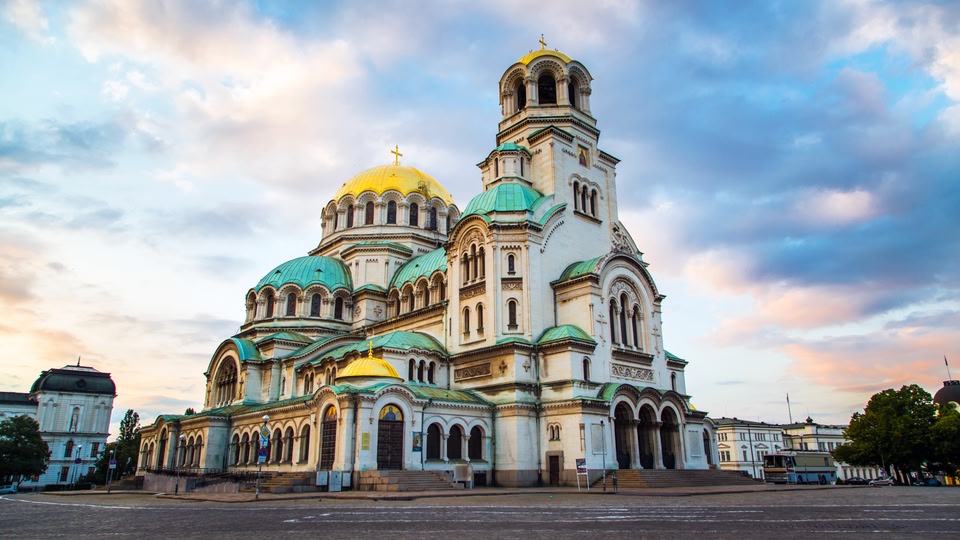
Sofia is a dream come true for history buffs. Piece together the city’s heritage through its cultural jigsaw of Ottoman mosques, Byzantine churches and Communist-era monuments. You’ll even discover Roman ruins scattered beneath the city, unearthed when the metro was built. The jewel in Sofia’s crown is the golden-domed Patriarchal Cathedral of St Alexander Nevsky, with its dazzling frescoes and art-laden crypt.
Hit the mountains
Sofia sits in the shadow of Vitosha Mountain and its endless network of hiking trails. One of the best walks is to ‘Zlatnite Mostove’ (Golden Bridges), a curious natural wonder that looks like a stone river winding down the mountain. After the first snowfall, powder hounds flock to the pistes for excellent skiing.
Get your art fix
Sofia packs some serious cultural clout. The National Gallery Kvadrat 500 houses a collection of medieval paintings and modern art, while the Sofia City Art Gallery hosts contemporary works. The National Museum of History transports visitors as far back as the Neolithic era. And the offbeat Museum of Art from the Socialist Period explores a more modern chapter of the city’s heritage.
Sofia: Know before you go
| Language | Bulgarian |
|---|---|
| Currency | Euro (€) |
| Time zone | UTC+2 (EET) and UTC+3 (EEST) |
| High season | July - August |
| Low season | January - February |
Find the best time to go to Sofia
Weather in Sofia
March – May: Spring brings pleasant weather and occasional showers to the capital. The parks bloom with flowers, and Easter decorations are displayed around the city.
June – September: Long, hot days are ideal for al fresco dining and strolls around the city’s shady parks. While locals may dodge the occasional 35°C day by leaving town, it’s high season for tourism.
October – November :Expect crisp days during autumn, with nighttime temps getting colder as the season goes on. The city’s trees start turning yellow and red in late October.
December – February: Winters are cold and snowy in Sofia. Pack a coat and waterproof shoes and enjoy the festive lights that brighten the city on these shorter days.
Events in Sofia
Sofia International Film Festival (March): See the best of Balkan and international cinema at one of the main film festivals in Europe.Catch everything from dramatic pieces to documentaries and short films. You can even watch classic movies accompanied by live music.
A to Jazz Festival (July): This free summer music fest assembles jazz musicians from around the globe for outdoor concerts. You’ll also find talks from music insiders, a retail market featuring local artists and workouts set to jazz beats.
Christmas markets (November to December): Shop for ornaments and gifts at Sofia’s bustling Christmas markets. The oldest is the Deutscher Weihnachtsmarkt, a German-style affair where you can also fill up on bratwurst and mulled wine.
The best neighbourhoods in Sofia
Downtown
Bulgaria’s history is written into the stones of the old city, which is one of the best areas to stay in Sofia for first-time visitors. You’ll be in close proximity to some of the best sights — the National Palace of Culture, the fourth-century Rotunda of St George and the gilded Ivan Vazov National Theatre.
Good for: History, culture, landmarks
Studentski Grad
The student area of Sofia is as you might expect — lively, fast-paced and easy on the wallet. The bars are usually full to bursting, and the cafes serve affordable fare. Lodging options pepper the streets, so it’s the best neighbourhood to stay in Sofia if you’re looking to sightsee during the day and party all night.
Good for: Nightlife, cafes, sightseeing
Vitosha
This is one of the hottest postcodes in Sofia. Bookended by St Nedelya Church and the Aleko Konstantinov statue, wide Vitosha Boulevard is lined by designer boutiques. Vitosha is where to stay in Sofia for a slice of luxury. To enjoy the area’s riches without breaking the bank, linger over a coffee in one of the open-air cafes for people-watching.
Good for: Shopping, cafes, hotels
Things to do in Sofia
Shopping
Sofia isn’t a fashion powerhouse on par with Milan or Paris, but a new generation of designers is emerging in the city’s boutiques. Names to watch include Shevitza, Garderob and Sassa Bjorg. While shopping in Sofia, look for rose-oil perfumes or soaps — Bulgaria is the world’s leading producer of rose oil.
Places to eat
To eat like a local, kickstart the day with an oven-fresh ‘banitsa’ (flaky cheese pie) from Furna. Restaurants in Sofia are reinventing the culinary scene, giving a contemporary spin to classic plates. Try Cosmos Restaurant or Club Motto. Order Bulgarian specialities of grilled meat and ‘shopska’, a salad made with peppers and tomatoes.
Take in the culture
Beyond the excellent museums in Sofia, the city is dotted with theatres, opera houses and galleries. But what’s truly unique are its ancient underground ruins. The most impressive is the Ancient Serdica Complex, which has Roman-era homes and a 5th-century bathhouse. Outside the city, the UNESCO-listed Boyana Church is a beauty from the Middle Ages adorned with 13th-century frescoes.
Nightlife
Sofia’s unhurried pace kicks up a few gears after dark. Rock’n’Rolla Club reverberates with live music, and Yalta serves up retro techno. Bulgaria has a surprisingly good wine industry, producing excellent bottles like Mavrud reds. And you can’t go wrong with all the really good (and really affordable) beer here — buy a pint with your pocket change.
Free things to do
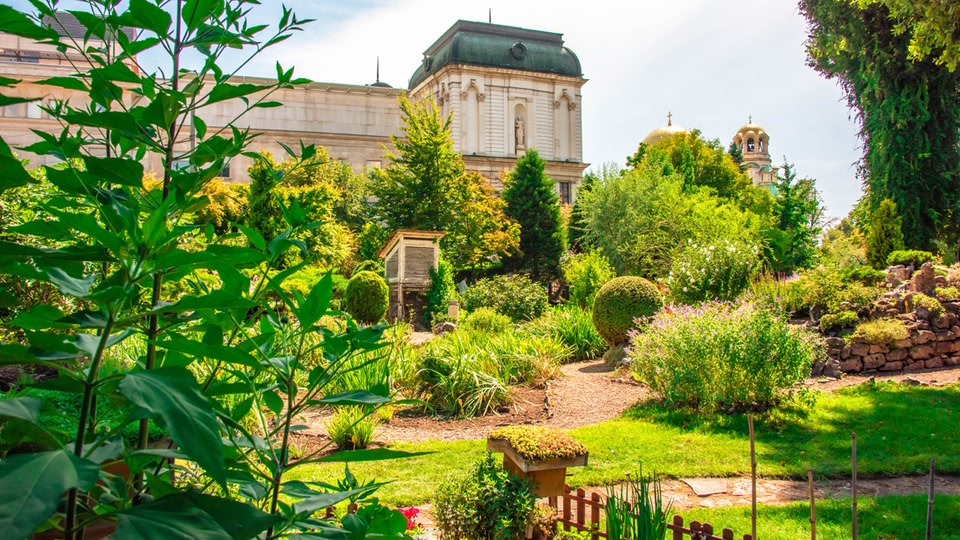
Don’t pass up the two-hour Free Sofia Tour which loops around the city. Sofia is also dotted with pretty parks. One of the most attractive, Borisova Gradina, is a lovely spot for a stroll. City Garden of Sofia is a local picnic spot (pick up fresh food at the Women’s Market). The lesser-known Doctors’ Garden is a haven of calm.
Family friendly things to do
You’ll find plenty of family-friendly things to do in Sofia. First up, Muzeiko is an engaging children’s science centre. Get up close to big cats, monkeys and crocodiles in Sofia Zoo. A good place to stay in Sofia with kids is Lozenets, an exclusive area that’s close to the city centre but away from the nightlife.
Get ready for Sofia
Budget
It's easy to plan a budget-friendly visit to Sofia, as it's less pricey than other European capitals. Especially if you consider travelling outside the summer high season. A cheap meal will cost you about 14 euros (€). A domestic beer runs about €3 and a cappuccino a little less than that. A short taxi ride starts at under €6.
Day trips from Sofia
The stunning 10th-century Rila Monastery, a 90-minute drive from the city, is a bold feat of Balkan craftsmanship. If you’re outdoorsy, pop over to nearby Rila National Park, studded with pristine lakes and mountains. Located near the Maritsa River, the ancient city of Plovdiv is bursting with Roman ruins.
Getting around Sofia
Sofia is a very walkable city, with an efficient metro system that can take you to attractions outside the city centre. The vintage yellow trams clanking through the streets are fun to ride and even more fun to photograph. Taxis are cheap and easy to hail. But if you’re looking to feel the wind in your hair, check out the electric bike and scooter share programmes.


