Your guide to Greece
Top destinations in Greece

Zakynthos
Sunbathe, cruise the Ionian Sea and snorkel with sea turtles during in Zakynthos. Then explore the wineries and lush valleys of this paradise Greek island.
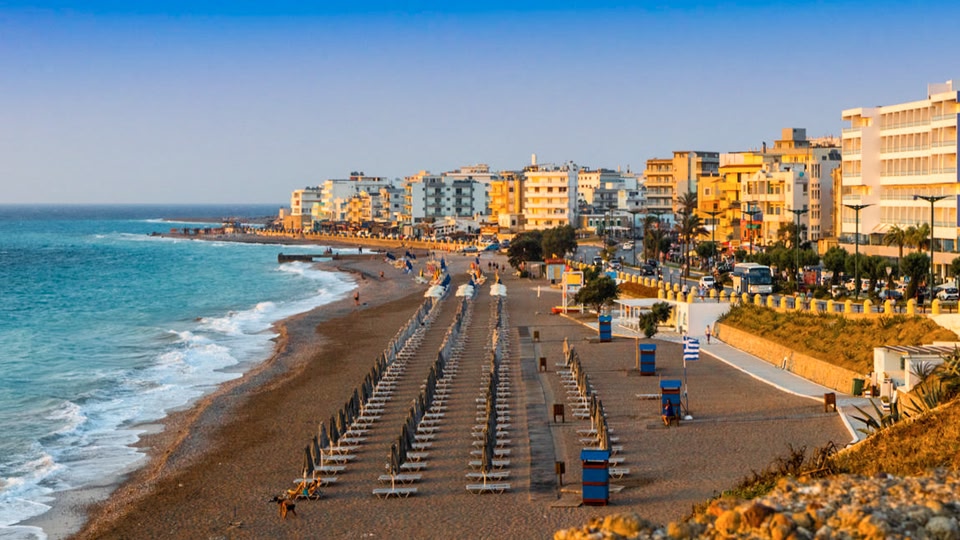
Rhodes
Welcome to Rhodes, Greece’s fourth-largest island, where archaeological wonders, crystalline water and juicy olives are the order of the day.
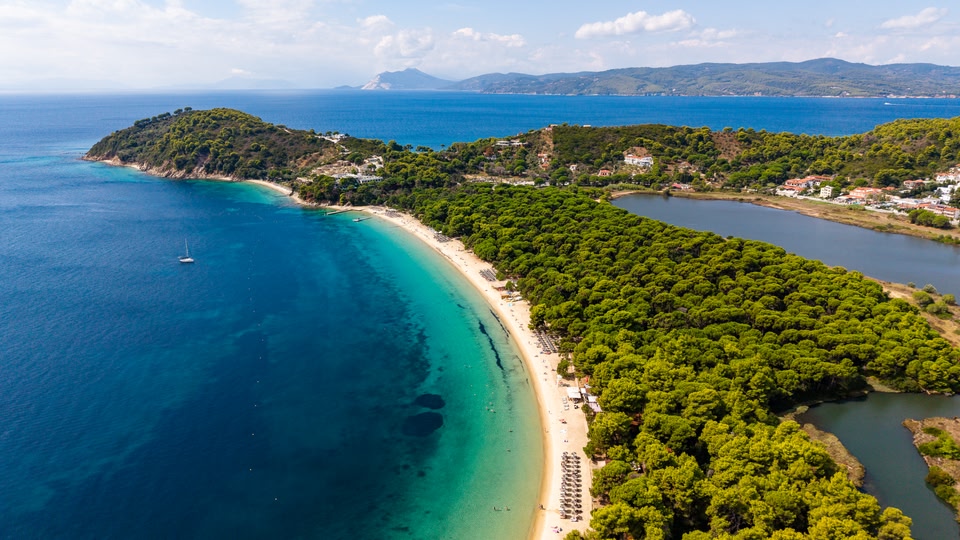
Skiathos
The tiny island of Skiathos became the star of the show when Hollywood came to town. Come explore its sandy shores, forest-clad hills and sun-bleached cliffs.
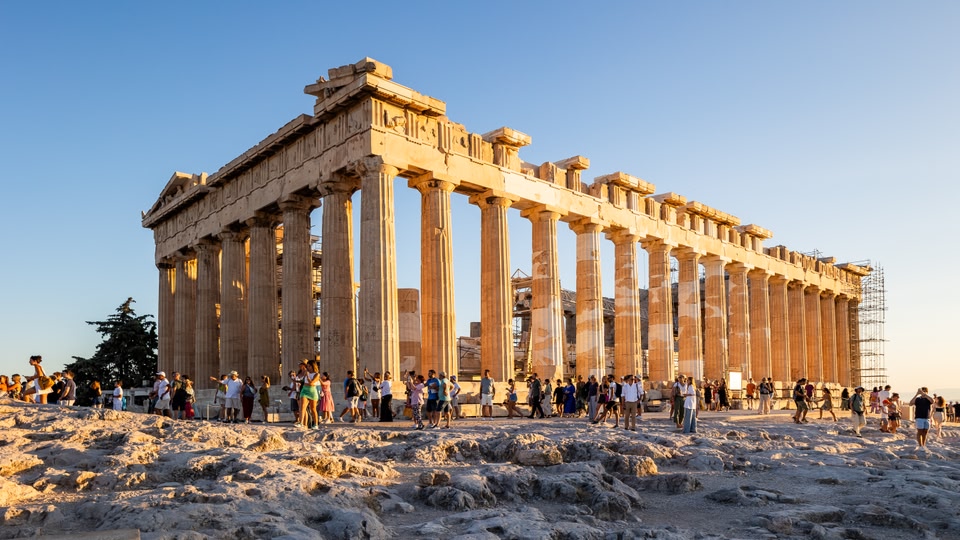
Athens
Visit Athens and discover an ancient city that’s surprisingly young at heart. The Greek capital gets the balance between ancient marvels and modernity just right.
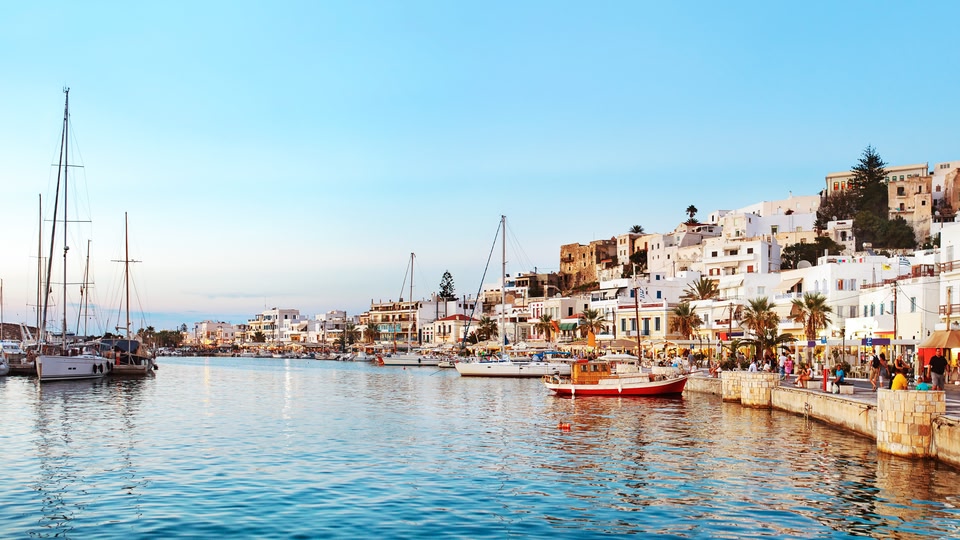
Naxos
Laid-back nightlife and an exploding food scene find a home among the glorious beaches, traditional culture and ancient history in Naxos. Come see how island life was meant to be lived.
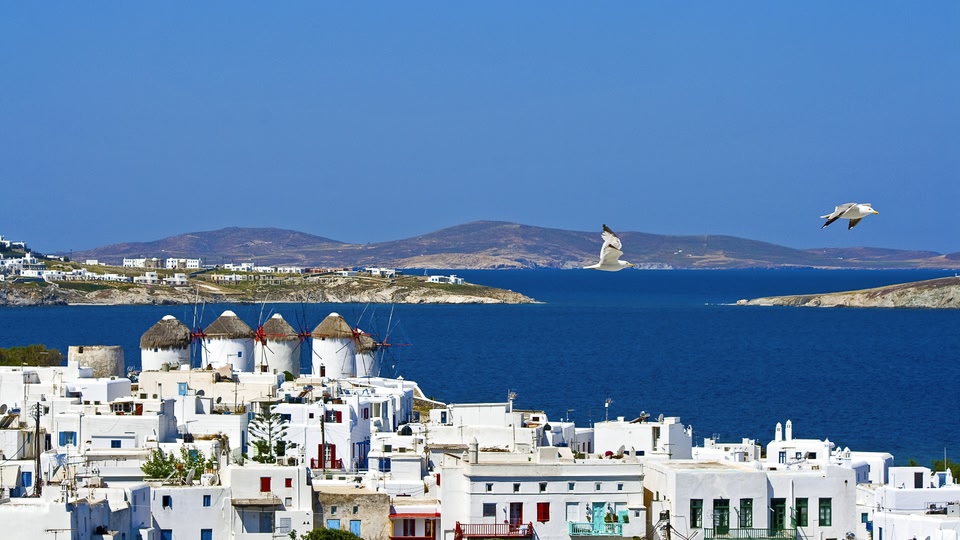
Paros
Blue-domed churches, cobblestone streets and a thriving taverna scene are the backdrop of this enchanting Greek island. Strike a pose: Paros is ready for its moment.
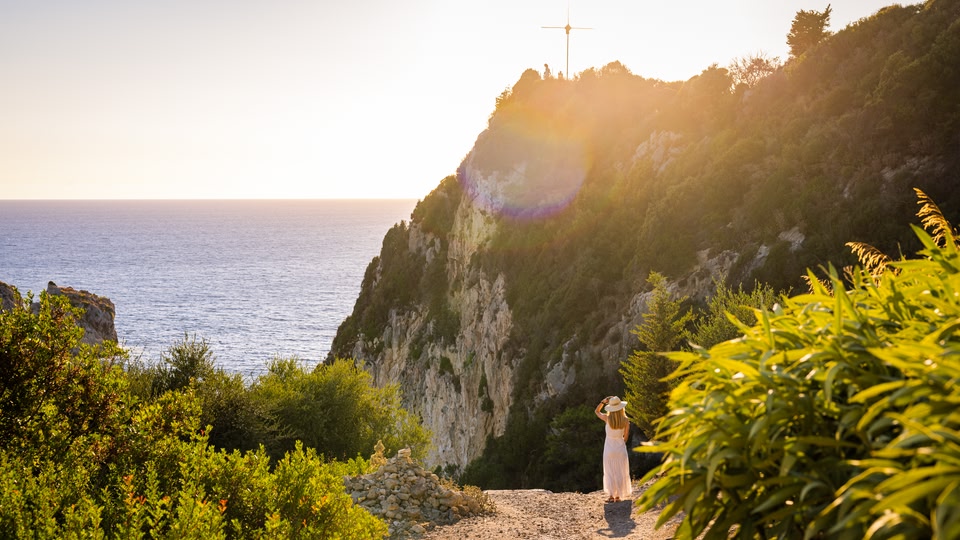
Corfu
With its forested landscape, Greece’s ‘Emerald Island’ stands out among its neighbours. But there’s still enough sparkling coastline and fascinating history here to keep you busy for weeks.
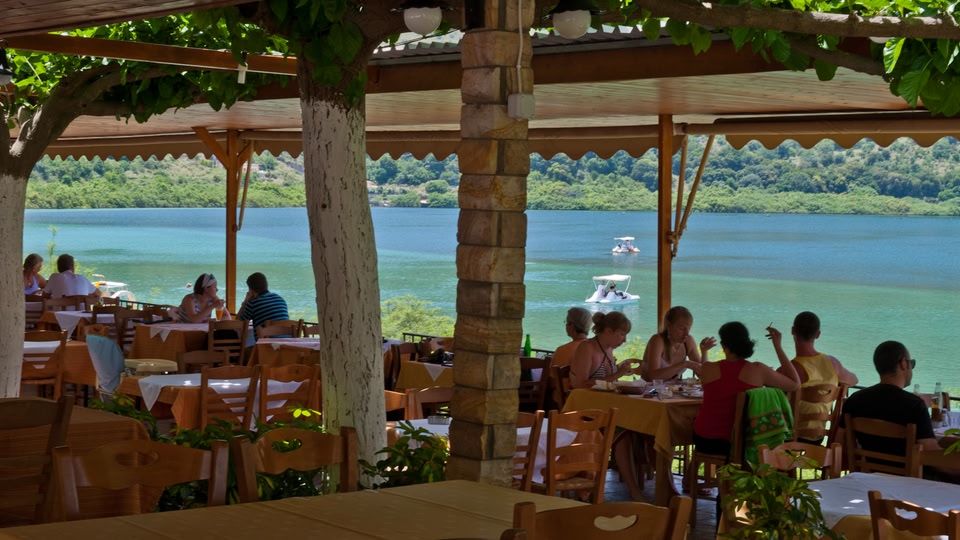
Chania
Cobbled alleys, Turkish architecture and sandy beaches where you can lose a day staring out at the calm, blue sea — is there a better city in the Greek Islands?
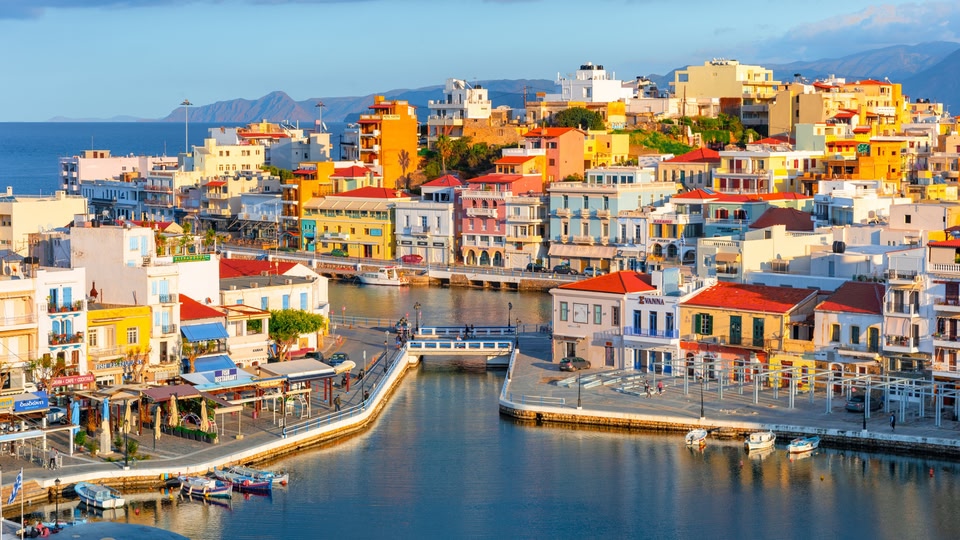
Crete
Greece’s largest island brims with sparkling beaches lapped by turquoise waters. Go beyond the coast to explore its fascinating archaeological sites, history museums and secret caves.
Greece: fast facts
| Language | Greek |
|---|---|
| Currency | Euro (€) |
| Time zone | UTC+2 (EET) and UTC+3 (EEST) |
Greece highlights
Ancient history
Athens’ archaeological sites like the Acropolis and the Roman Agora are some of the best things to see in Greece. But there are dozens more ancient wonders beyond the capital. Visit the Temple of Apollo in Delphi and the Archaeological Site of Olympia in the Peloponnese. For fewer crowds, check out the ruins of the ancient city of Karthaia, located on the island of Kea.
Idyllic islands
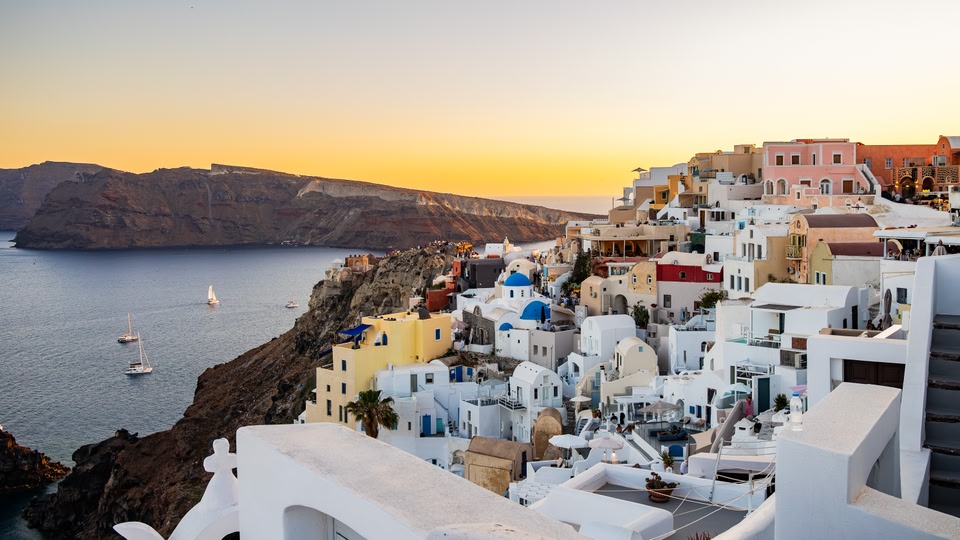
Take your pick of more than 160 inhabited islands, from the more remote Hydra and Symi to the white-domed houses and lively nightlife of Santorini and Mykonos. Movie fan? Soak up the romance of Kefalonia, the island backdrop for the film adaptation of the book ‘Captain Corelli’s Mandolin’. Or have the time of your life on Skopelos and Skiathos, featured in the movie ‘Mamma Mia’.
Greek wine
Greece’s winemaking tradition dates back thousands of years and is still going strong. Crete is one of the country’s oldest wine regions, with dozens of vineyards to visit. And Santorini’s volcanic soil and gusty winds yield some of the country’s most distinctive grapes. Big on Greek mythology? Taste your way through the wine region of Thrace, said to be the birthplace of Dionysus, the god of wine.

Things to do in Greece
Top attractions
The mighty Acropolis rises above Athens and can’t be missed. Soak in the Parthenon, a temple dedicated to the goddess Athena, standing proudly at its summit. Follow the Sacred Way through the Sanctuary of Apollo on Delphi, where an oracle once delivered prophecies from the god himself. Pink-sand Elafonissi Beach on Crete is often ranked among the world’s most beautiful beaches.
Beaches
Home to the Mediterranean’s longest coastline and hundreds of islands, Greece offers some of Europe’s most popular beach getaways. Navagio Beach, on the island of Zakynthos, is famed for its shipwreck. And Kefalonia’s Myrtos Beach draws crowds with its incredible blue waters. If water sports are your thing, dive among Santorini’s underwater lava formations or spot sea life while snorkelling around Skinaria on Crete.
Nature
Greece isn’t just rich in ancient treasures — it’s packed with natural wonders too. Spot pelicans flying over Byzantine churches around the Prespa Lakes and eagles soaring above the Vikos Gorge in Zagori, Greece’s answer to the Grand Canyon. Explore the Blue Caves of Zakynthos or get an eyeful of seals, dolphins and turtles in Alonissos National Marine Park.
Culture and museums
Greece has no shortage of cultural treasures. The New Acropolis Museum in Athens is one of the most important museums in Greece, home to artefacts found at the Acropolis. For more ancient wonders, look no further than the Archaeological Museum of Thessaloniki or the Heraklion Archaeological Museum. Craving something different? Try the Eggares Olive Oil Museum on the island of Naxos.
Cuisine
Greece is famous for its fresh Mediterranean cuisine. You’ll feast on ‘moussaka’ (layered eggplant and meat casserole) and ‘souvlaki’ (grilled, skewered meat) at traditional tavernas. Tuck into grilled octopus and ‘psarosoupa’ (fish soup) at island restaurants in Greece. Need a cheap bite? Try street food like ‘gyros’ (meat and salad in pita) and ‘spanakopita’ (spinach and feta pie).
Family friendly
Kids and adults alike will love climbing aboard the ‘trainaki’ (tourist train) to explore Zakynthos’ scenic coast and countryside. A glass-bottom boat tour of Santorini’s volcanic caldera is a fun way to discover the mysteries of the Aegean. And in Athens, the Kids Corner at the Acropolis Museum brings Greek history and mythology to life through games and crafts.
Find the best time to visit Greece
Weather in Greece
March – May: After a rainy winter, spring brings wildflowers and sunshine. With fewer crowds than summer, it’s one of the best times to visit Greece’s ancient ruins. The Aegean stays chilly throughout the season.
June – August: Summer is sunny and hot, often creeping above 32°C. By August, the sea can reach a balmy 28°C. Northerly winds around the islands mean welcome sea breezes.
September – November: Summery weather continues until late September. October brings cool evenings and rain showers.
December – February: Winter is relatively mild on the coast and islands, with periods of wind and rain. Temperatures drop in the northern regions, and cities like Thessaloniki even see some snow.
Events in Greece
Apokries (January to March): Apokries, the Greek Carnival season, is celebrated all over the country, but no place does it better than Patras. Festivities peak in March with a grand parade, complete with floats, masked performers and thousands of marchers.
Athens and Epidaurus Festival (July): This popular arts festival hosts cutting-edge performances in the same open-air theatres that once showed plays from Ancient Greek dramatists like Sophocles.
Fistiki Fest (September): The humble yet delicious pistachio is the star of the show at this food festival. The island of Aegina celebrates its famous crop with music, art and delicious pistachio treats.
Know before you go
Local etiquette
When visiting a Greek Orthodox church or monastery, dress modestly by covering your shoulders and knees. Some sites offer shawls or wraps if needed. Wine and spirits like ouzo are an important part of Greek dining culture, but always enjoy them with food. Drinking to excess, especially without a meal, is considered impolite.
Health and safety
If you’re swimming or snorkelling, stay alert for jellyfish. Especially the mauve stinger, which is common here and can leave painful blisters. Obey all flags and warning signs on beaches. There is a risk of wildfires from April to October. Local organisations provide up-to-date monitoring of fire danger and other resources.
Budget
Generally, the mainland is more affordable than the islands. But visiting Greece on a budget is doable no matter where you go. Expect to pay 15 euros (€) for a meal at an inexpensive restaurant and about €4 for a local beer or coffee. A short taxi ride will run you around €6.

Getting around Greece
Public transport
Buses: Mostly operated by KTEL, buses are a cheap way to travel across Greece. Routes connect Athens to most major mainland towns, as well as large regional towns to smaller villages. Seats aren’t guaranteed, so arrive early.
Trains: Greece’s rail network is limited but improving. Intercity trains connect major cities, while regional services cover shorter routes. High-speed trains link Thessaloniki and Athens in about four hours, making it a convenient option for travelling between Greece’s two largest cities.
Boats: Ferries are ideal for island hopping around the Aegean. Different services link the islands, from large car ferries to speedy hydrofoils. Though service to Athens and some of the major islands runs year-round, many routes slow or shut down between November and March.
Domestic flights
Domestic carriers Olympic Air and Aegean Air offer flights to popular islands like Santorini, Mykonos and Corfu. Fares are usually cheap but can sell out early.
Driving
Driving can be a great way to get off the beaten path, but not all rural roads are well maintained. Cities tend to be congested, and drivers can be aggressive. That said, hiring a car is a popular and easy way to explore many of the islands, where roads are quieter and distances are short.


