Your guide to Australia
Top destinations in Australia

Melbourne
Australia’s cosmopolitan second city is filled with art and culture. During a visit to Melbourne, get into the sports and cafe scenes, or stretch your legs in markets, gardens and parks.
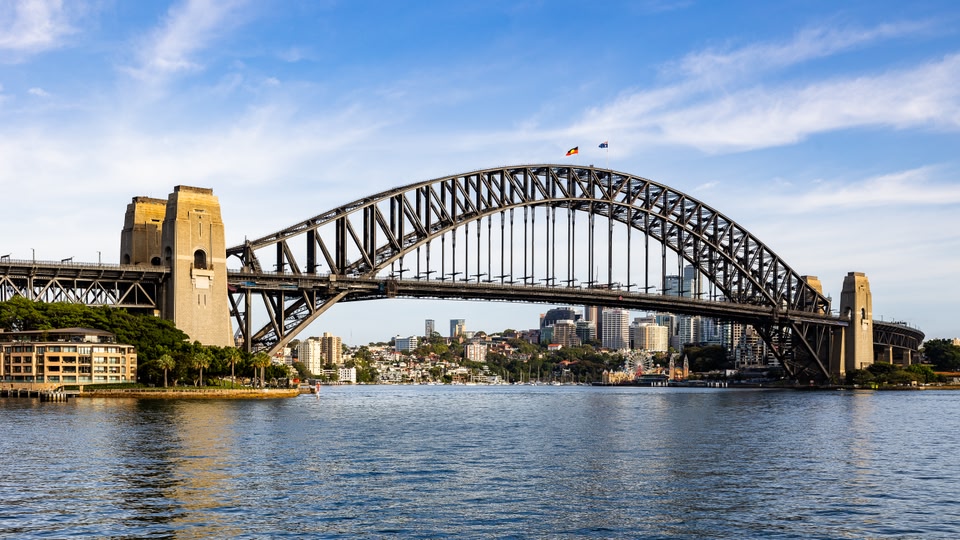
Sydney
Endless discoveries await in the sun-drenched waterfront city of Sydney. Explore iconic landmarks, edgy museums and fantastic food in one of Australia’s most picturesque cities.
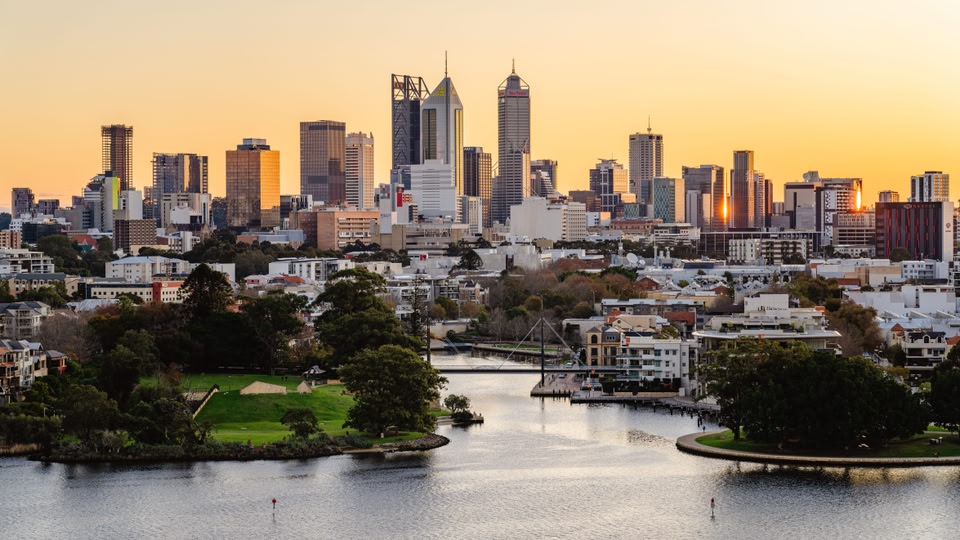
Perth
Welcome to Perth, where white-sand beaches and Indian Ocean waves meet the art galleries, rooftop bars and trendy boutiques of a dynamic city.
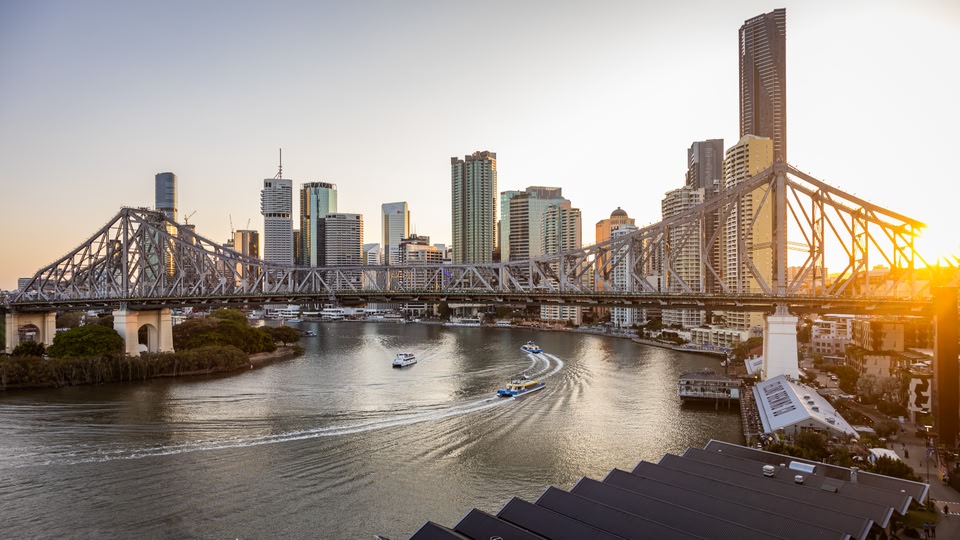
Brisbane
Ready for Brisbane? Come experience endless sunshine, a dynamic riverfront, an eclectic art scene and plenty of outdoor thrills in the capital of Queensland.

Gold Coast
Where sparkling skyscrapers meet the sea, you’ll find Australia’s Gold Coast. This gorgeous stretch of shoreline boasts dreamy beaches, buzzy eateries and loads of fun after dark.
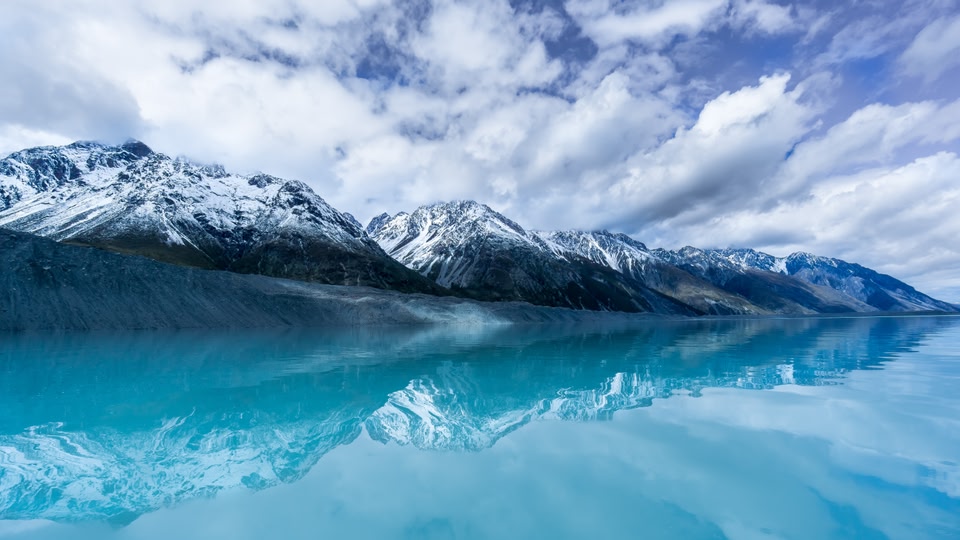
Tasmania
Famed for its rugged landscapes, homegrown food and wine scene and some of the cleanest air on the planet, Tasmania is a natural escape like no other.
Australia: fast facts
| Language | English |
|---|---|
| Currency | Australian dollar ($) |
| Time zone | Sydney - UTC+10 (AEST) |

Australia highlights
Earth’s oldest living cultures
Aboriginal and Torres Strait Islander peoples have lived in Australia for more than 65,000 years. Seeing this sunburnt country through their eyes is a window to the cultural power of 250 diverse nations. Seek out First Nations–owned and operated tours to explore major cities as well as landmarks like the Great Barrier Reef, Uluru, the Daintree Rainforest and Kakadu National Park.
Taste the wine
There’s more to Australia’s wine scene than a big-bodied Shiraz — although you can’t go wrong with a peppery glass from the Barossa Valley. The country’s diverse wine regions turn the flavour of traditional grapes on their heads. Tour the cellar doors or city wine bars to taste Margaret River Chardonnay, Tasmanian sparkling whites and juicy Nebbiolos from the Yarra Valley.
Explore the islands
A top thing to do in Australia is to explore some of its more than 8,000 islands. Drive 4x4s through the sand on K’gari (formerly known as Fraser Island). Hike volcanic outcrops on Lord Howe Island and feast on world-class seafood on Kangaroo and Bruny islands. You can also shop Aboriginal art on the Tiwi Islands or charter a cruise around the Whitsunday Islands.

Things to do in Australia
Top attractions
The legendary sails of the Sydney Opera House are so vast that it took more than a million tiles to cover the entire structure. The best view is from aboard a ferry departing Circular Quay. For natural masterpieces, look no further than Uluru, the sacred site of the Aṉangu people. Or the Great Barrier Reef, where bright coral and unique sea life come together.
Beaches
Dreaming of hitting the road to see the beaches in Australia? Take your pick between the limestone coast on Victoria’s Great Ocean Road and the laid-back beach towns along the Grand Pacific Drive in New South Wales. Or explore the secluded wilds of the South West Edge in Western Australia. For urban waves, don’t miss the beaches of Sydney, Perth and the Gold Coast.
Nature
Australia’s natural gems are spread out, so plan what’s possible. Maybe it’s hiking the Blue Mountains or spending a winter night in Tasmania to see the Southern Lights. You can join a tour from Darwin to explore the Kimberley or drive a full day from Adelaide to gawk at Kati Thanda–Lake Eyre. And people come from all over to marvel at the iconic sandstone monolith, Uluru.
Culture and museums
Edgy galleries and museums abound in Australia. Check out Heide Museum of Modern Art in Melbourne, the White Rabbit Gallery in Sydney and the Gallery of Modern Art in Brisbane. Adelaide and Alice Springs both have a host of Aboriginal art collectives, and the Museum of Underwater Art off the coast of Queensland will take your breath away.
Cuisine
Avocado on sourdough toast is a breakfast staple, as are ricotta pancakes. For coffee, try a flat white in winter or an iced long black in summer. There’s no shortage of great restaurants in Australia thanks to a rich history of migration. Thai, Vietnamese, Indian and Italian are just the tip of the iceberg. And modern Australian fine dining is where native plants and proteins shine.
Family friendly
Australia’s wildlife is a major draw for families. Off the coast of Perth, wander or cycle around car-free Rottnest Island to spot quokkas, whales and dolphins. To spy koalas, kangaroos and black cockatoos, hike through Noosa National Park. If your family prefers the indoors, explore the interactive science displays at Questacon in Canberra.
Find the best time to visit Australia
Weather in Australia
March – May: The days are less humid in autumn. This is the season to see hatching crocodiles in the Daintree Rainforest and baby turtles near Bundaberg.
June – August: Winter is the best time to visit northern Australia. Bright blue days are perfect for exploring the reefs and islands, as well as touring the Red Centre and the Kimberley. To catch some snow, head for Tasmania and the Australian Alps.
September – November: Australia’s major cities come alive in spring. Expect blooming wildflowers, comfortable days and cooler nights.
December – February: Summer in the north is humid and stormy. But in the south, it’s perfect weather for swimming and hiking Tasmania and Victoria’s spectacular trails.
Events in Australia
Dark Mofo (June): Don’t miss this lively midwinter festival with ties to Hobart’s eccentric Museum of Old and New Art. Group swims, huge feasts, burning sculptures and live music help round out the fun.
Boxing Day Test (December): Sporting events big and small mark calendars Down Under, but few hold as much significance as cricket’s Boxing Day Test. The first ball of this five-day international match is bowled every 26 December at the Melbourne Cricket Ground to a sold-out crowd.
Sydney New Year’s Eve (December): As one of the first major cities in the world to strike midnight, Sydney’s New Year celebration is unmatched. An epic fireworks display erupts over the Sydney Harbour Bridge and the Sydney Opera House.
Know before you go
Local etiquette
Service in Australia is known for being warm and welcoming, and a little politeness in return goes a long way. Punctuality matters, as do personal space and orderly queuing. Don’t be surprised if you’re given a nickname, hear casual swearing or spot flip-flops in a restaurant — Aussie etiquette has a relaxed, playful side too.
Health and safety
Australia is a great destination for solo travellers and people with disabilities, but thoughtful planning is essential for a smooth trip. Ocean currents here can challenge even the most experienced swimmer, so always swim between the red-and-yellow flags, where lifeguards are present. Sun protection is a must, even on cloudy days. And if you’re heading to the tropics, keep insect repellent handy.
Budget
The biggest hack to visiting Australia on a budget is to book well in advance. Accommodation and internal flights can add up, so grab the best deals early. Once on the ground, expect to pay around 25 Australian dollars ($) for an inexpensive meal and about $11 for a local beer.

Getting around Australia
Public transport
Buses: Companies like Greyhound Australia and Murrays Coaches offer an extensive network of long-haul services. Overnight trips are a great budget option — just remember to pack your earplugs.
Trains: Long-distance passenger train service in Australia is limited. While an interstate network connects parts of the eastern coastline and some regional areas, routes are sparse and departures infrequent.
Boats: Many passenger and car ferry services operate from local ports to popular island destinations. If you’re looking to extend your road trip beyond the mainland, the Spirit of Tasmania vehicle ferry runs between Geelong and Devonport.
Domestic flights
Air travel is the best way to cover the most ground in Australia. Qantas, Virgin, Jetstar and Rex service all major destinations, plus some smaller regional hubs too. We recommend booking well in advance to find the best deals.
Driving
Road trips are the ultimate way to experience Australia’s scenic beauty. Driving is on the left, speed limits are strictly enforced, and well-maintained highways connect most cities and towns. In more remote areas, road conditions may require a 4x4 — drive cautiously and avoid travelling after dark.


