Your guide to Malta
Top destinations in Malta
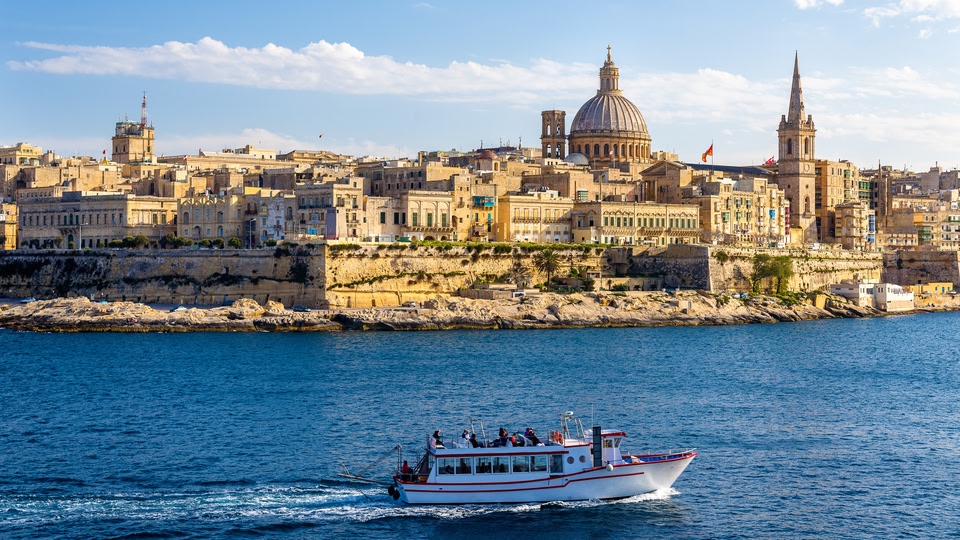
Valletta
One of Europe’s smallest capitals, this UNESCO World Heritage Site packs a huge punch with cultural attractions and one of the most interesting food scenes in the Mediterranean.

Sliema
Transforming from its fishing roots into a dazzling coastal destination, Sliema combines rich history with glitzy high-rises, Mediterranean cuisine and plenty of after-dark fun.

St Julian’s
Bring your dancing shoes to St Julian’s. Malta’s nightlife hub also offers scenic waterfront promenades, secluded swimming spots and centuries-old architecture.
Malta: fast facts
| Language | Maltese, English |
|---|---|
| Currency | Euro (€) |
| Time zone | UTC+1 (CET) and UTC+2 (CEST) |
Malta highlights
See the stones
Among the many amazing things to see in Malta are its prehistoric temples. Head to the clifftop where the country’s earliest inhabitants worshipped 5,000 years ago — Ħaġar Qim’s megalithic complex includes stones that stand over five metres tall. Or descend to the underground Ħal Saflieni Hypogeum, a vast necropolis where an estimated 7,000 people were buried — just remember to book well in advance.
Visit palaces and cathedrals
The Knights of St John occupied Malta for over 200 years, leaving an extraordinary legacy of churches, palaces and fortresses. These include the splendidly Baroque St John’s Co-Cathedral and the Grand Master’s Palace, with its 5,000 suits of armour. Don’t miss the Three Cities the Knights fortified — Vittoriosa, Senglea and Cospicua — across from the Grand Harbour.
Go to Gozo
Malta’s tiny sister island is only 45 minutes away by ferry. It’s also a delightfully quiet retreat from the crowds, with unspoilt nature spots like the rugged beach of Dwejra Bay. It even has its own ancient attractions, like the Ġgantija Temples, which are older than the pyramids, and a Roman acropolis turned citadel. And at about 14 kilometres long, you can get around it easily by bike.
Things to do in Malta
Top attractions
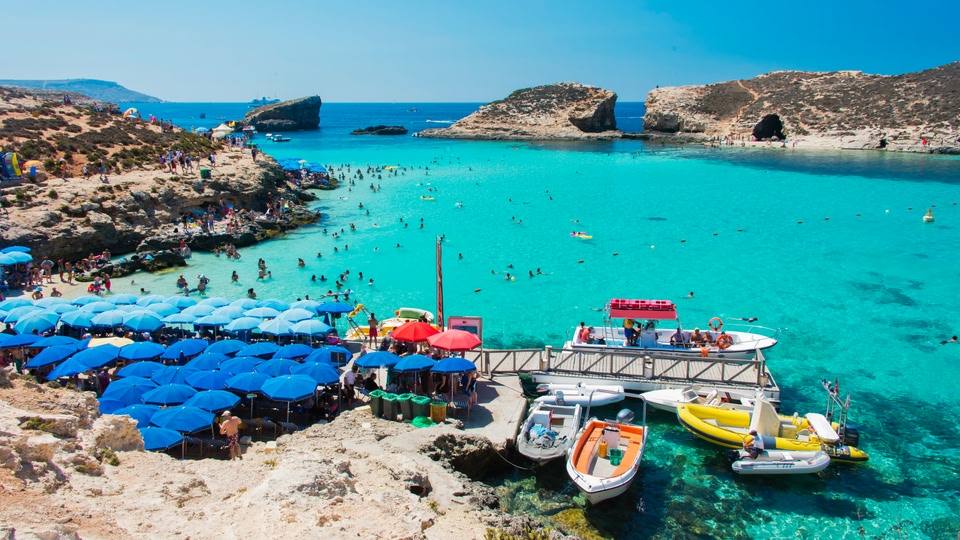
Built in the 1570s, St John’s Co-Cathedral in Valletta is a must-see, from its marble floor to its famed Caravaggio paintings. The hidden alleys of Mdina transport you to medieval days when monks and nuns inhabited its ‘Silent City’. And tucked between the islands of Comino and Cominotto, the Blue Lagoon is one of the Mediterranean’s most photographed spots.
Beaches
Carved out of the island’s rock, the beaches in Malta are unforgettable. The clear-blue waters are great for swimming — try the sheltered St Peter’s Pool — and perfect for snorkelling or diving among the reefs and wrecks. You’ll find a couple of big, sandy sweeps, like Golden Bay and Riviera Beach on the northwest coast, and plenty of water sports, such as windsurfing and kitesurfing.
Nature
Malta’s coastline beckons hikers with its lush countryside on one side and the deep blue Mediterranean on the other. Head west to the Dingli Cliffs, over 250 metres above sea level, or go horseback riding along the golden shores. Boat tours wind through the Blue Grotto’s famous sea caves. The northern nature reserves, like Majjistral Nature and History Park, showcase a rich variety of bird and plant life.
Culture and museums
Valletta is the island’s cultural hub, with historic palazzos, art galleries, a magnificent open-air theatre and live music in many of its bars. Other museums in Malta explore the country’s ancient history. The National Museum of Archaeology showcases amulets, tools and figurines that date back 5,000 years, while the Għar Dalam cave holds fossils that are half a million years old.
Cuisine
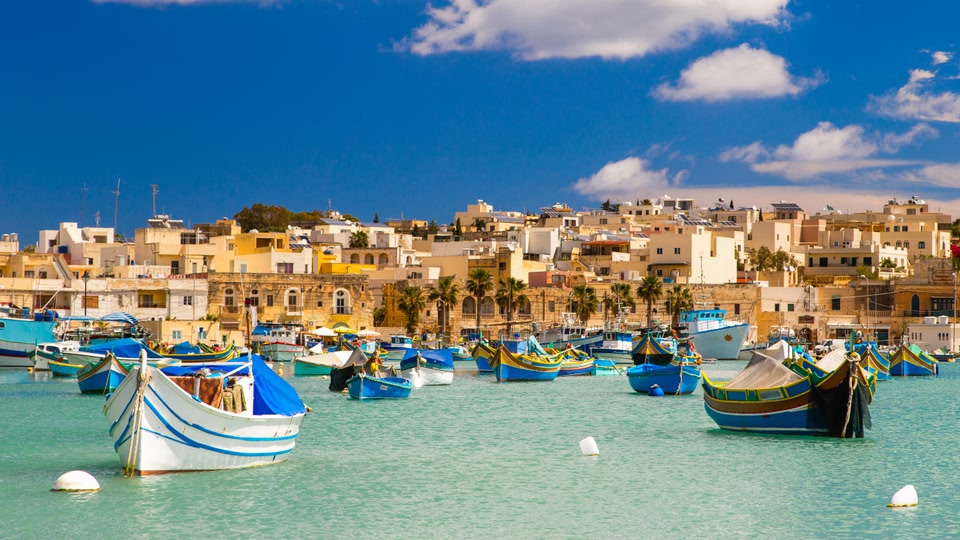
The flavours of Italy and mainland Europe meet the Middle East here. You’ll find meze-style dishes sitting alongside rustic rabbit stews and flavoursome fish soups. Head to Marsaxlokk for some of the best seafood restaurants in Malta, including the island’s famous octopus and calamari. Or snack on traditional ‘pastizzi’ (crispy pastries filled with ricotta or curried peas) and tangy Ġbejna cheese.
Family friendly
Celebrate the famous spinach-loving sailor at Popeye Village in Anchor Bay. The movie set built for the 1980 ‘Popeye’ movie starring Robin Williams is now a theme park. Esplora Interactive Science Centre is a family favourite, with over 200 exhibits and a mesmerising planetarium. Or ride the slides, wave pool and lazy river at Splash & Fun water park.
Find the best time to visit Malta
Weather in Malta
March–May: With highs of up to 25°C, spring is a good time for a spot of walking — give the Fawwara Trail on the west coast a go. By May, the sea’s warm enough for a swim.
June–August: Malta’s summers are long, hot and sunny. Expect the mercury to hit 38°C on some days. Take it easy on a beach like Mellieħa Bay, where you’ll get a lovely breeze off the sea.
September–November: Early autumn stays warm enough for a beach break. Make the most of the pleasant weather and take in the city’s sights without the summer crowds.
December–February: Winter may be the wettest time of year, but it’s still fairly mild. The cooler water gives you excellent visibility for diving.
Events in Malta
Feast of St Paul’s Shipwreck (February): Malta’s festas celebrate local patron saints all summer long. This is the only winter ritual, and Valletta rolls out a full schedule of religious processions, marching bands and evening festivities.
Malta International Fireworks Festival (April): While spring brings daytime colour to the streets, this pyrotechnic celebration lights up the Grand Harbour to a booming musical soundtrack.
Isle of MTV (July): Every year, this free festival brings some of the world’s biggest pop acts to Malta’s main square in Floriana. Don’t miss a packed programme of concerts and club nights that spreads music all across the islands.
Know before you go
Local etiquette
Malta is a friendly but conservative society. Be polite and respectful to those you meet, and you’ll be fine. Cover your shoulders and knees when you’re visiting a church, and remember to take off your hat and sunglasses once inside. Don’t be tempted to go topless on the beach — it’s against the law.
Health and safety
Malta has excellent healthcare and well-regarded hospitals. A hepatitis A vaccine is recommended before you go. The main safety tip? Be smart in the water. Lifeguards are on duty at major beaches in summer, but it’s best to ask locals about conditions — and skip swimming in rough seas or unfamiliar spots.
Budget
Looking for an affordable visit to Malta? You can find an inexpensive meal for 15 euros (€) and a beer for less than €4. Many of Malta’s biggest draws — its colourful streets, ancient churches and scenic beaches — are free. Travel outside of peak season, and swap out a €10 taxi fare for a cheap bus ticket.
Getting around Malta
Public transport
Buses: There’s no train network in Malta, but both of its larger islands host an extensive bus network. The services are especially good for day trips, although some routes run only hourly, so plan ahead. You can also take a vintage bus tour on vehicles that once provided Malta’s public transport back in the 1950s.
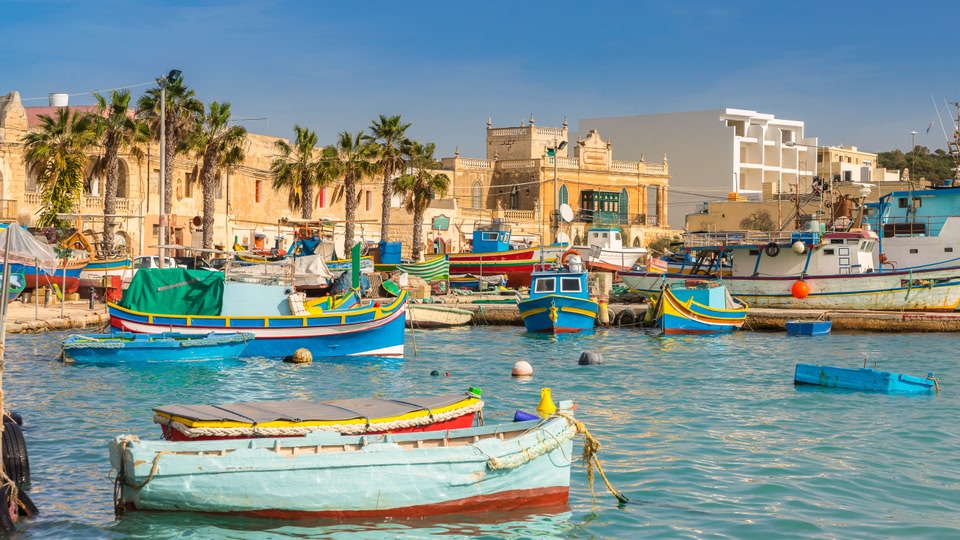
Boats: The country’s ferries offer some of its most scenic trips. Car and passenger ferries from the northern port of Ċirkewwa will get you from Malta to Gozo in 30 minutes, while the passenger-only ferry to Comino runs every 30 minutes throughout the summer. The most breathtaking ferry ride takes you from Valletta to Three Cities across the Grand Harbour. Or be rowed across the harbour in a ‘dgħajsa’, Malta’s original water taxi.
Domestic flights
There are no domestic flights on the islands. Malta International Airport is the only airport serving the archipelago.
Driving
Hiring a car will help you reach remote beaches and villages. It’s worth requesting a compact vehicle if you can, as roads here can be very narrow, requiring care and patience. Always yield to oncoming traffic and avoid taking your car into Valletta’s winding centre. Use the Park and Ride in Floriana, which has free shuttles. Comino is a car-free island.


