Your guide to Cyprus
Top destinations in Cyprus

Larnaca
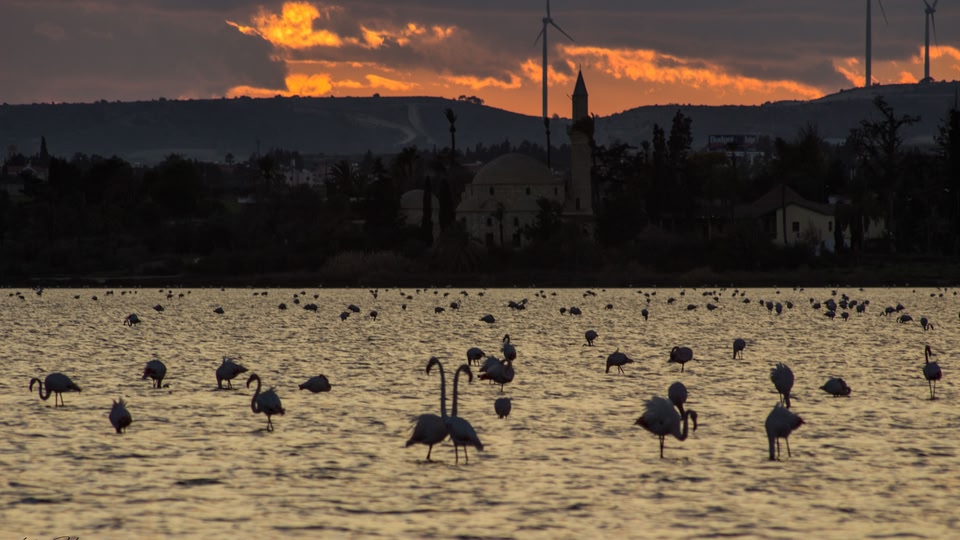
Discover a medieval castle, a grand mosque and sandy Mediterranean beaches in Larnaca, where Turkish and Greek history blends with warm Cypriot hospitality.
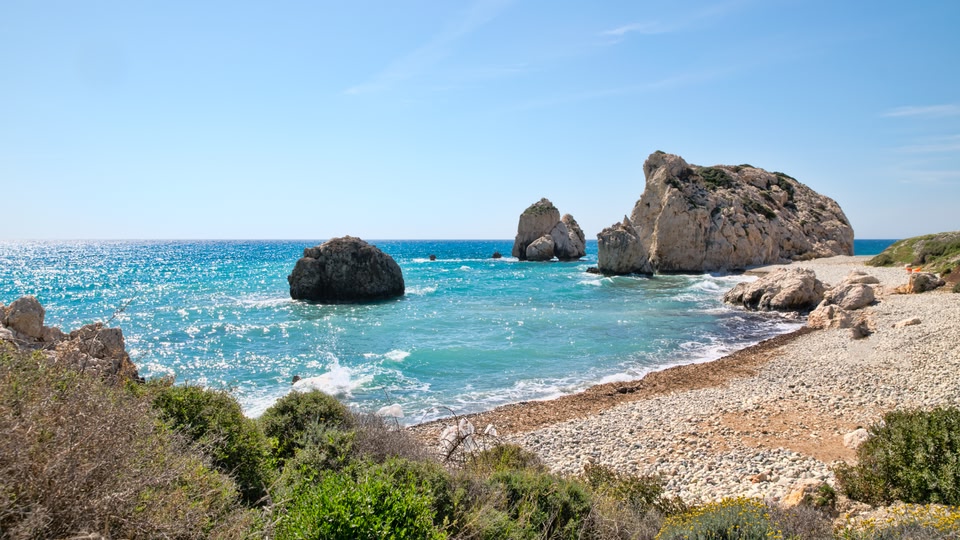
Paphos
Legend comes alive in the tiny seafront town in Cyprus. Discover palm-lined beaches, luxury resorts and one of the richest archaeological sites in the Mediterranean.

Nicosia
With its unique fusion of Greek and Turkish influences, the Cypriot capital offers fascinating history, fresh Mediterranean cuisine and a cobblestoned old town straight out of a postcard.
Cyprus: fast facts
| Language | Greek, Turkish |
|---|---|
| Currency | Euro (€) |
| Time zone | UTC+2 (EET) and UTC+3 (EEST) |
Cyprus highlights
Explore ancient ruins
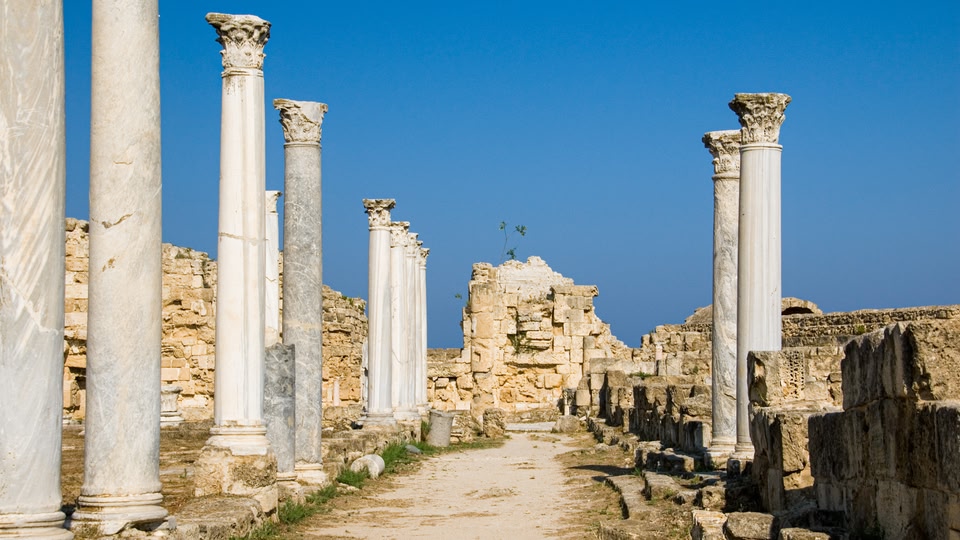
Inhabited for more than 10,000 years, this island nation brims with ancient history. At Paphos Archaeological Park, find fortresses and tombs among Roman city ruins. Visit the Kourion Archaeological Site to explore a Greco-Roman theatre on a hilltop. And don’t miss the Neolithic village of Choirokoitia, the island’s first permanent settlement and one of the most unique things to see in Cyprus.
Go wine tasting
Cyprus is one of the world’s oldest wine producers, with a history stretching back 6,000 years. The best way to experience it is touring one of its seven wine routes. The Laona to Akamas route offers some of the country’s best whites, made with indigenous ‘xynisteri’ (white) grapes. Or take the Commandaria route to taste the island’s oldest wine, stopping at medieval castles and hilltop villages.
Hike the mountains
Like a rippling green carpet across southern Cyprus, the Troodos Mountains are among the island’s finest natural treasures. Here, you’ll find the highest peak, Mount Olympus. Hike through pine and juniper forests to reach panoramic viewpoints and hidden waterfalls. Or stroll through hilltop villages like Pedoulas, home to Byzantine churches, cherry orchards and the fascinating Folklore Museum.
Things to do in Cyprus
Top attractions
Cyprus is a treasure trove of historic sites, and the UNESCO-listed Tombs of the Kings is a great place to start. Wander ancient tombs with ocean views, then head south to Paphos Archaeological Park. Once the nation’s political centre, it offers a fascinating glimpse into two millennia of history. Ancient legends meet natural beauty at Aphrodite’s Rock, a sea stack named for the Greek goddess of love.
Beaches
One of Cyprus’ most famous beaches is Aphrodite’s Beach, with its distinctive rock stack where legend says the Greek goddess was born. Nissi Beach in Ayia Napa is all white sand and crystal-blue water, buzzing with beach bars and volleyball games. Near Paphos, family-friendly Coral Bay offers gentle surf, while the remote and beautiful Lara Bay is a nesting site for green turtles.
Nature
Natural beauty is everywhere here. Cape Greko National Park reveals the island’s diverse geology, with rugged cliffs, arches and sea caves. The Akamas National Park is a patchwork of rocky gorges, evergreen forests threaded with hiking trails and the spectacular Blue Lagoon. You’ll find endless hiking in the Troodos Mountains — try the Artemis Trail for a pulse-raising tour of Mount Olympus.
Culture and museums
Many of the best museums in Cyprus are in the capital, Nicosia. At the Cyprus Museum, feast your eyes on archaeological treasures dating back to the Neolithic era. At the Nicosia Municipal Arts Centre, see modern artworks in a former power station. For a deep dive into the city’s history, from the Bronze Age to the present day, visit the Leventis Municipal Museum of Nicosia.
Cuisine
Cypriot cuisine showcases fresh local produce, often served as a ‘meze’ (sharing dish). Try ‘souvlakia’ (grilled meat kebabs served with fresh salads and pitta), ‘koupepia’ (stuffed grape leaves) and ‘moussaka’ (layered eggplant casserole). Salty halloumi cheese is a national delicacy you can’t miss. Dinner is usually served late — restaurants in Cyprus often don’t open before 7pm.
Family friendly
Get a hands-on geology lesson by exploring Sea Caves Peyia Paphos, then stroll south to see the eerie Edro III shipwreck. Budding conservationists will love Lara Bay Turtle Conservation Station. Visit between May and August to see baby turtles released into the sea. And if you’re looking for faster-paced thrills, find them at Ayia Napa’s Parko Paliatso, the island’s largest theme park.
Find the best time to visit Cyprus
Weather in Cyprus
March – May: Spring starts cool but warms up by May, one of the best months for clear skies, great weather and fewer crowds. Visit in the week before Easter to catch Holy Week celebrations.
June – August: Summer brings temps in the low 30s°C and buzzing beaches. Take a break from the coast to explore inland villages and their summer festivals.
September – November: Early autumn is another sweet spot with pleasant weather and light crowds. The Troodos Mountains glow with golden leaves. It’s also prime time for wine tasting as the harvest kicks in.
December – February: Winter is quiet and mild, with temperatures in the low 10s°C. Hotels slash their rates, but many tourist businesses close for the season.
Events in Cyprus
Cyprus Film Days (April): Movie buffs enjoy a packed schedule of local and international cinema from acclaimed filmmakers at Limassol’s Rialto Theatre and Nicosia’s Zena Palace.
International Pharos Chamber Festival (May to June): Soak up the sounds of some of the world’s leading classical music acts at this prestigious event, held at Kouklia’s Royal Manor House.
Shakespeare at Kourion (June): There’s nowhere better to spend a balmy summer evening than with some open-air theatre at one of Cyprus’ most storied venues, Kourion Ancient Amphitheatre.
Limassol Wine Festival (varies): This lively event celebrates all things wine with tastings, food pairings, live music and themed exhibits. You can even jump into a barrel and stomp some grapes yourself.
Know before you go
Local etiquette
Cypriots are known for their warm hospitality and friendliness — don’t be surprised if you’re invited to a stranger’s home for a drink. Note that refusing something offered to you may be considered rude. There might be less personal space than you’re used to when queuing. Dress modestly when visiting religious buildings, covering your legs and shoulders.
Health and safety
Heat waves can be a risk during the hot summers, so stay hydrated and seek shade in the middle of the day. Forest fires can also be an issue at this time of year. Keep on top of weather alerts, especially if you plan to visit woodland areas. Only swim at designated beaches and look out for signs, as ocean currents can be strong.
Budget
It’s possible to visit Cyprus on a budget. You can get an inexpensive meal for around 15 euros (€), while coffee or local beer costs about €3. You’ll pay around €9 for a short taxi ride, or you can hop on a local bus for a couple of euros.
Getting around Cyprus
Public transport
Buses: InterCity runs a regular bus service between major towns in the south. All you have to do to ride is bring cash and pay onboard. In the north, services are run by private operators, although they tend to be less frequent and reliable.
Taxis: Taxis are available in most towns and cities and are useful for short trips or reaching places not served by buses. In the south, fares are typically metered, while in the north, you’ll need to negotiate a price before setting off.
Domestic flights
Cyprus has three main airports — Larnaca and Paphos in the south and Ercan in the north. But because of the island’s small size, domestic flights aren’t usually necessary. Travellers often opt to hire a car or catch the bus from the airport.
Driving
Having your own car is the easiest way to explore Cyprus. Motorways connect the island’s major towns, but you should make time to cruise along Cyprus’ meandering coastal and mountain roads too. People drive on the left here, and road signs are in kilometres. In an emergency, dial 112. And don’t forget sunglasses — those Mediterranean rays are strong.


